

SMS marketing: 7 examples of brands using SMS to drive results

What does a great SMS strategy look like in practice?
We talk a lot about email (it’s kind of our thing), but SMS is quietly becoming the channel marketers can’t afford to ignore. It’s immediate, personal, and (when used well) seriously effective.
The challenge? Knowing when and how to use it. Too much and you’ll fatigue your audience. Too little and you’re leaving revenue on the table.
To help spark some ideas, we’ve pulled together seven real examples from brands using SMS with Dotdigital to solve genuine marketing challenges. From B2B beauty suppliers to water companies, these use cases span industries, audiences, and objectives, but they all have one thing in common: results.
Want even more detail on these examples? Download our SMS inspiration guide for the full breakdown.
Want the full SMS inspiration guide?
Our SMS inspiration guide features all seven of these examples with visuals, pro tips from the marketers behind the campaigns, and practical takeaways you can apply today.
1. Treat SMS subscribers like VIPs
Minerva Beauty – B2B
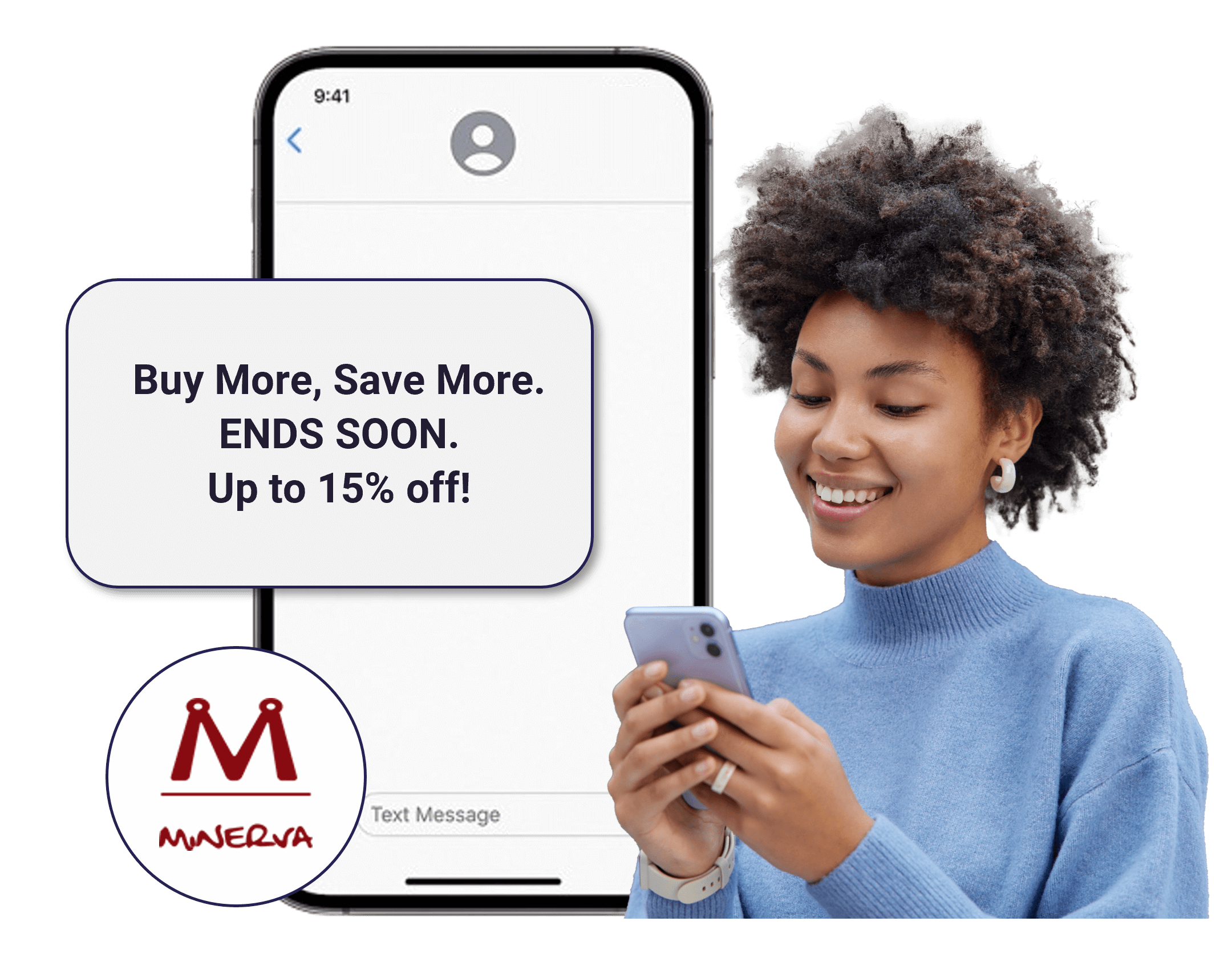
When B2B beauty brand Minerva Beauty wanted to maximize the impact of major sales and product launches, they didn’t just add SMS as another channel. They made it an exclusive one.
Their SMS subscribers are treated as a VIP audience, getting priority access to sales, new launches, and special offers before anyone else.
The results:
That sense of exclusivity pays off. Their final sale reminders via SMS consistently outperform email reminders (including abandoned cart emails), and SMS click-through rates beat email across all campaigns.
Why does this work?
By positioning SMS as a VIP channel rather than a catch-all broadcast tool, Minerva Beauty gives subscribers a reason to stay opted in. Scarcity and early access create a sense of privilege that drives action.
Pro tip from Payton Adams, Brand Creative Specialist:
2. Make SMS the go-to channel for time-sensitive offers
EMU Australia – Retail
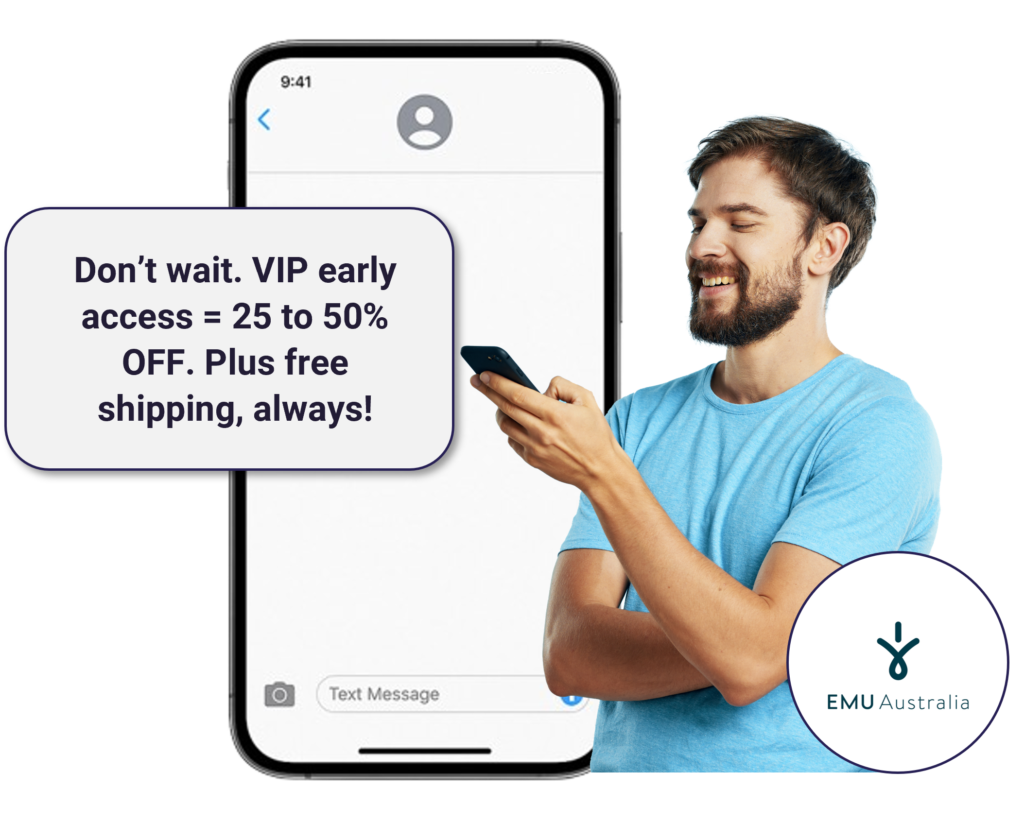
Australian footwear brand EMU Australia uses SMS as part of a cross-channel mix alongside email and social, but with one key distinction: SMS is reserved for the moments that matter most. Limited-time offers, VIP early access, and flash promotions are delivered via text to their most engaged customers.
The results:
The brand reports strong open rates and has gained valuable insight into channel performance, confirming that SMS is their best-performing channel for time-sensitive campaigns.
Why does this work?
EMU Australia’s approach is a masterclass in restraint. By keeping SMS for genuinely urgent, high-value moments, every message carries weight. Their audience knows that when a text arrives, it’s worth paying attention to.
Pro tip from Alex Stepins, Digital Marketing Coordinator:
3. Drive urgency (and 20% of campaign revenue) with flash sales
Kissed Earth – Retail
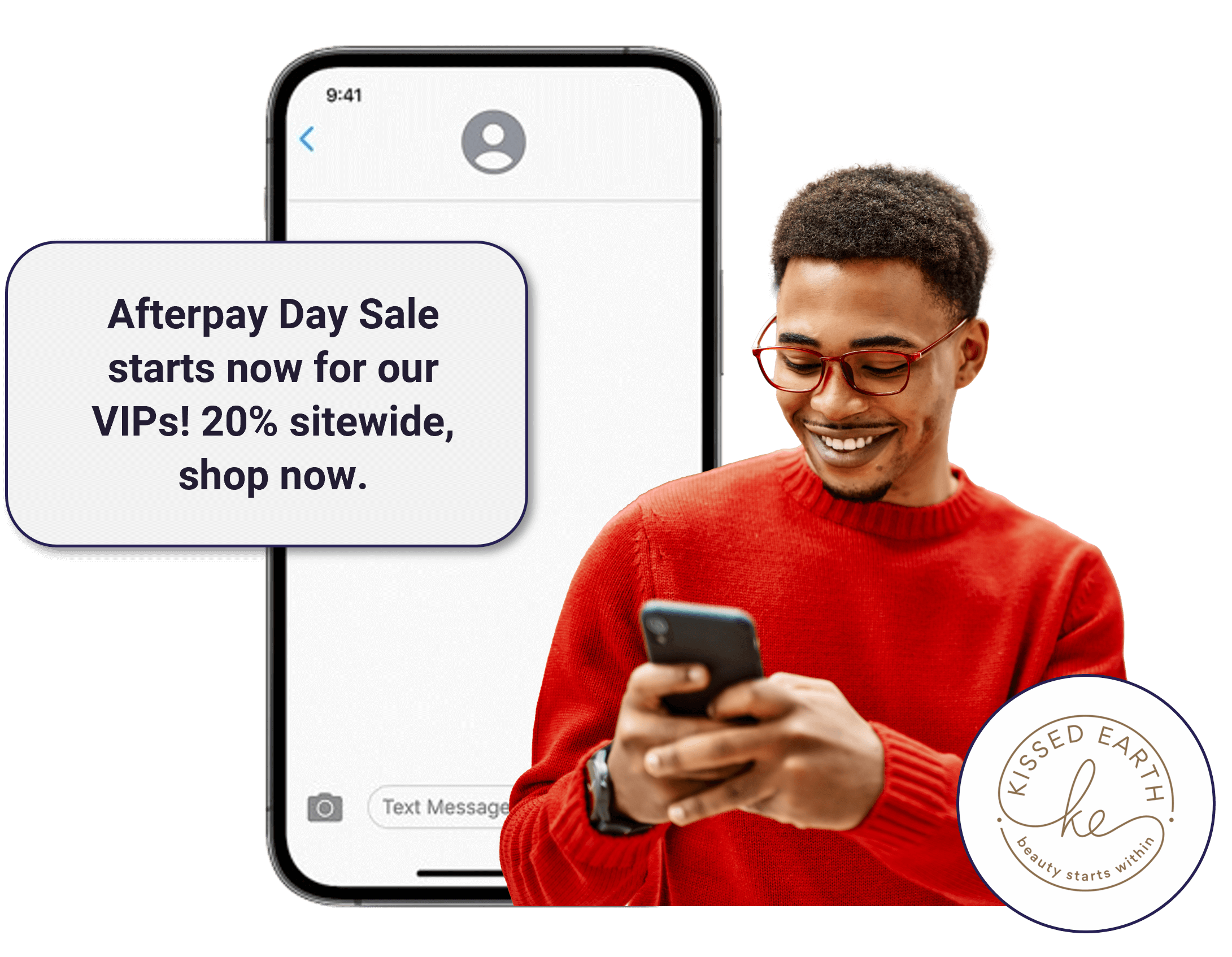
Health and beauty brand Kissed Earth needed to make sure loyal customers were the first to know, and the first to shop during key sales events. They use SMS for short, high-value messages designed to create urgency and exclusivity: flash sales, early product releases, and VIP access events.
The results:
During their Afterpay Day Sale, SMS drove 20% of total campaign revenue. And cross-channel campaigns that included SMS consistently saw higher click-through rates, conversions, and revenue than those without.
Why does this work?
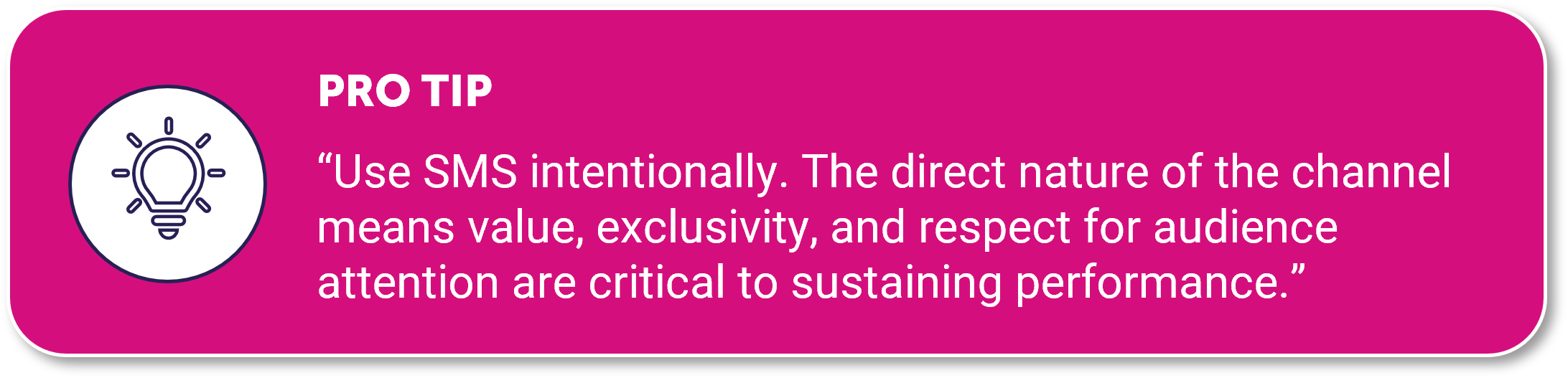
Kissed Earth treats SMS with intention. Every message delivers clear value and a reason to act now. That respect for the channel (and the audience’s attention) sustains performance over time instead of burning through goodwill.
Pro tip from Amy Goodsell, Head of Marketing:
4. Remove friction from the booking process
1001 Optometry Healthcare Australia – Services
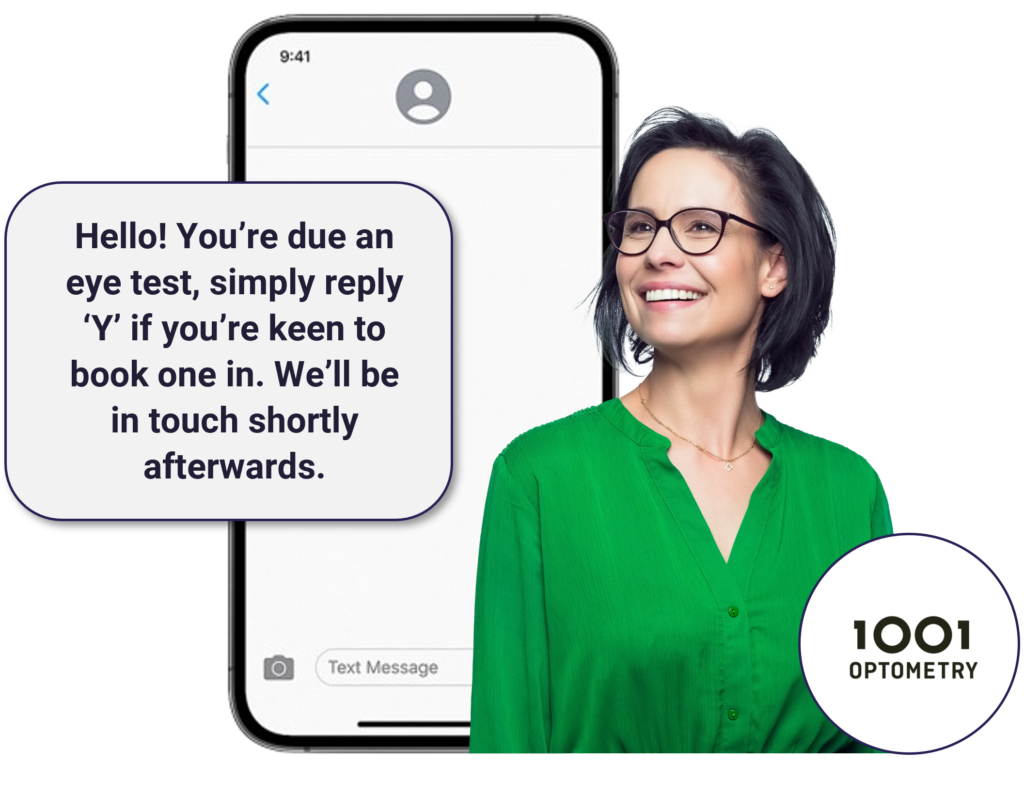
When 1001 Optometry noticed a drop-off in online bookings, they rethought the entire journey. Instead of sending patients a link to an online booking form, they tried something simpler: a text message asking customers to reply “Y” if they were interested in booking an eye test.
The results:
That single-letter reply removed all the friction from the process and triggered a call-back from the team to confirm the appointment. The result was a significant uplift in both confirmed and attended bookings, with SMS delivering the immediacy and cut-through that emails and online forms couldn’t match.
Why does this work?
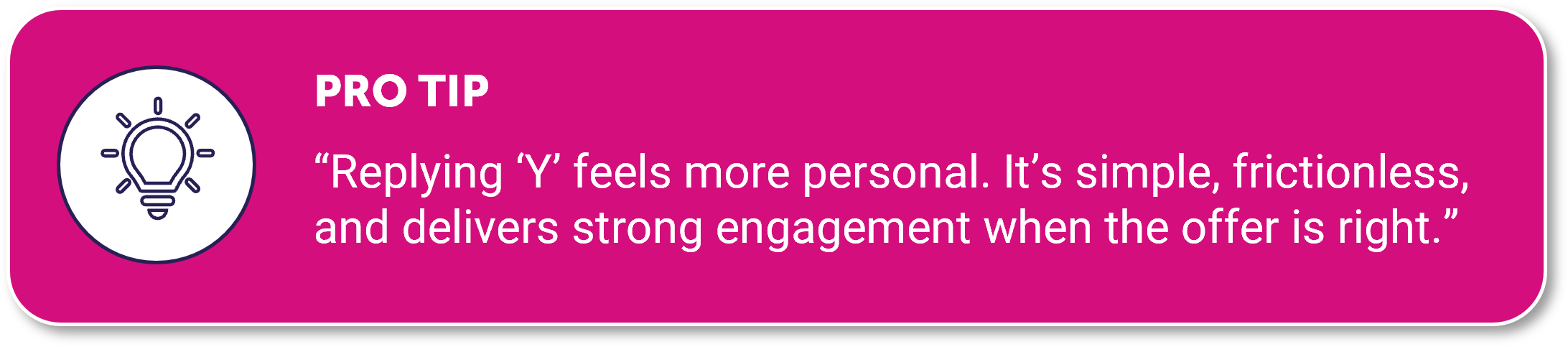
This is a brilliant example of meeting customers where they are. Booking an appointment online involves multiple steps and decisions. Replying “Y” to a text takes two seconds. By lowering the barrier to engagement, 1001 Optometry turned passive interest into booked appointments.
Pro tip from Kharisma Lazuardi, Head of Marketing and Ecommerce:
5. Collect customer feedback (and reduce complaints)
Anglian Water – Services
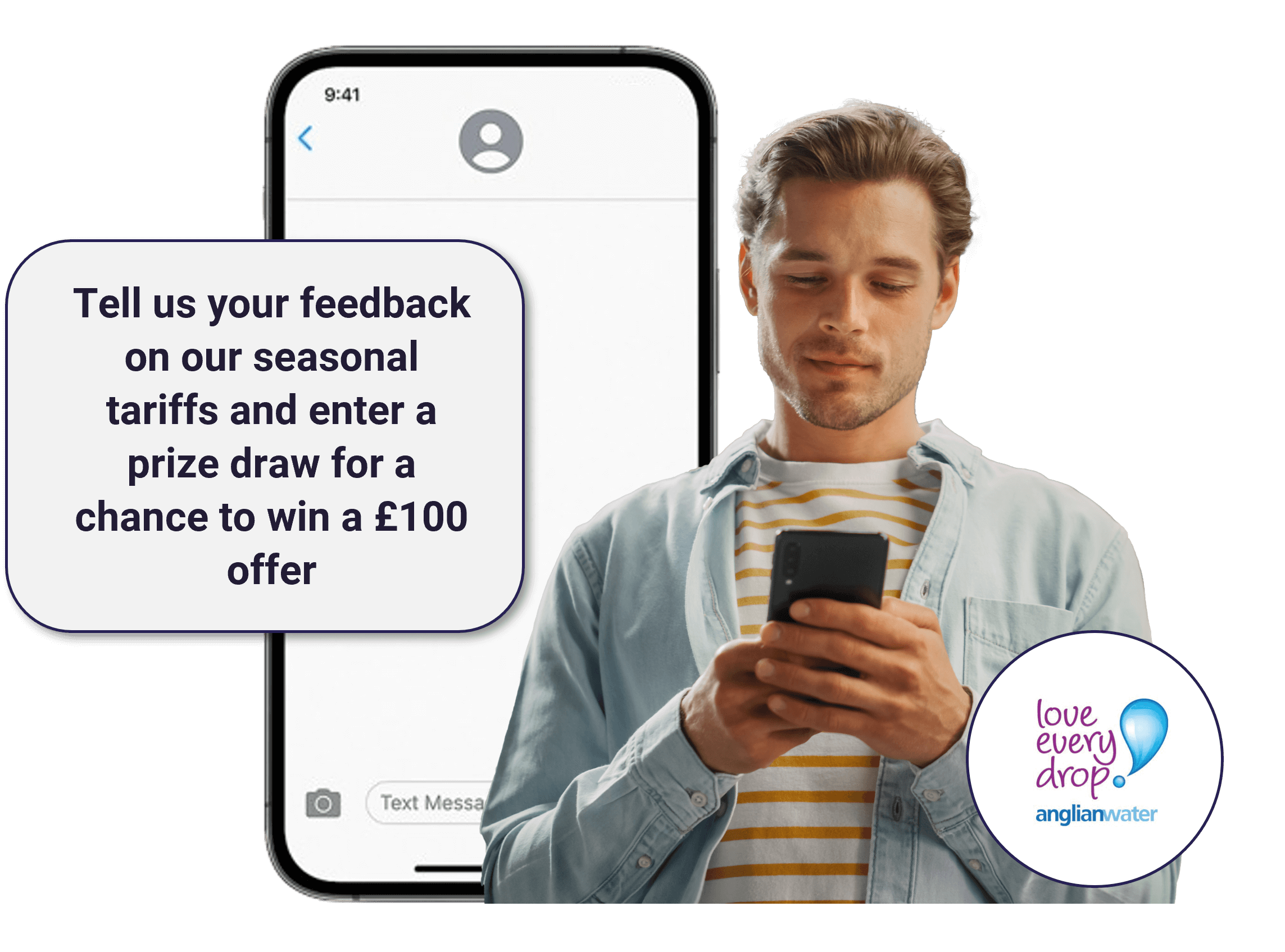
Anglian Water needed customer feedback on upcoming rate changes, but engagement on other channels wasn’t delivering the volume of responses they needed. They turned to SMS, using it to notify customers ahead of tariff changes and invite them to share their views via a short survey, with a prize draw as an incentive.
The results:
The campaign drove over 200 survey completions and, crucially, reduced the volume of customer complaints and contact compared to similar communications sent via other channels.
Why does this work?
When you need to communicate something sensitive (like a price increase), the channel matters as much as the message. SMS feels more personal and direct, and by pairing the notification with a feedback mechanism, Anglian Water turned a potentially negative moment into a constructive two-way conversation.
Pro tip from Dean Rice, Service and Communications Performance Lead:
6. Reach the audience that email can’t
Royal College of Nursing – Memberships
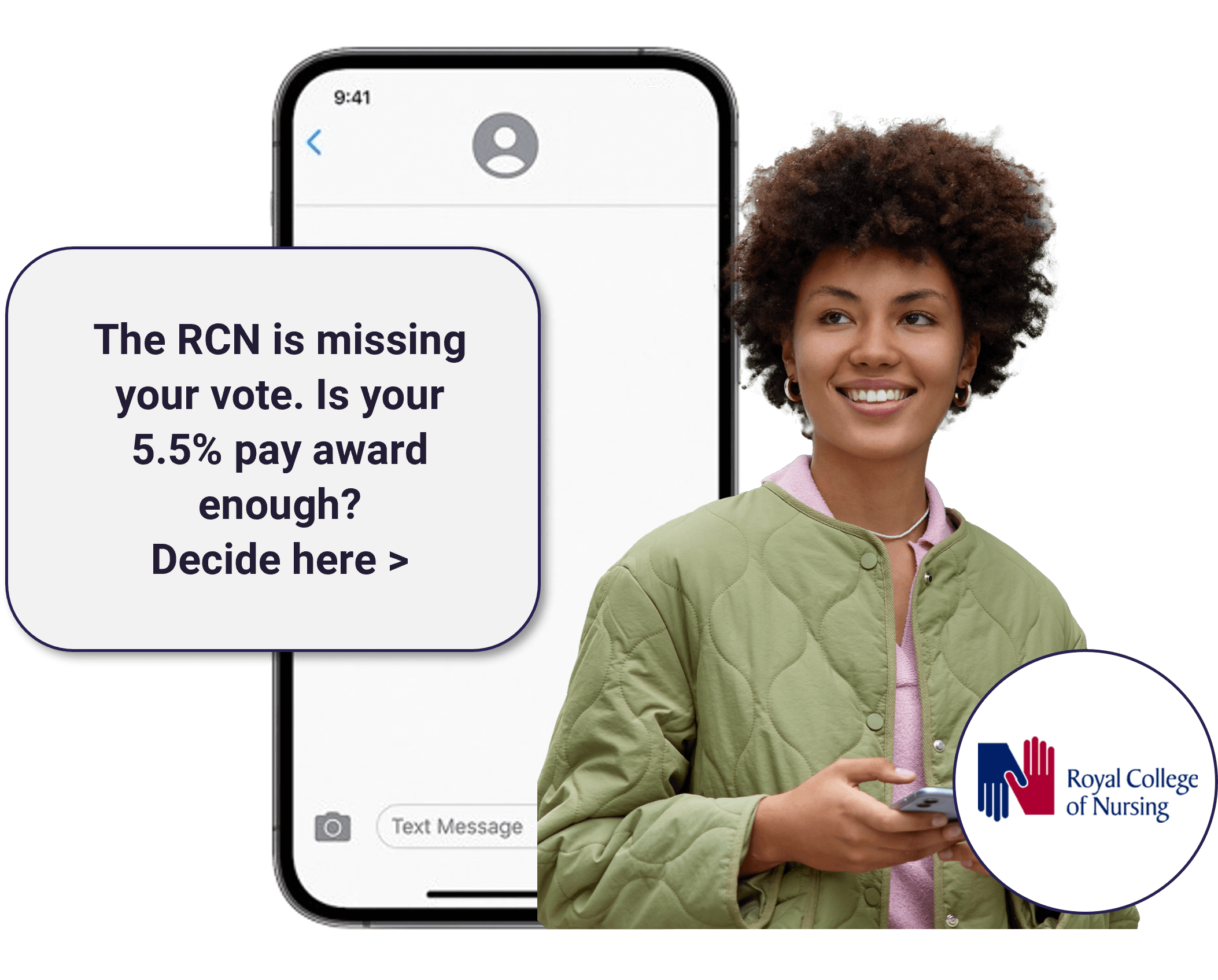
When the Royal College of Nursing needed to maximize voter turnout on a proposed pay award, they knew email alone wouldn’t be enough. In the final days of the campaign, they targeted members who hadn’t opened previous emails, or who didn’t have an email address on file, with a concise, action-oriented SMS.
The results:
The result was a 46% voter turnout, with SMS activity in those final days pushing participation up by around 3%. The SMS campaign itself achieved a 32% click-to-delivered rate.
Why does this work?
This is SMS at its tactical best. By using it as a follow-up channel rather than a first touchpoint, the Royal College of Nursing reached a segment of their audience that was otherwise invisible. The timing (final days of a deadline) and the directness of SMS were the perfect combination to drive last-minute action.
Pro tip from Eleanor Dearn, Senior Communications Manager:
7. Capture feedback while the experience is fresh
Goodwood – Events
Event organizer Goodwood faced a common challenge: getting timely, actionable feedback from festival attendees. When they sent a post-event email survey after the five-day festival, they got a 10% completion rate. Decent, but not great.
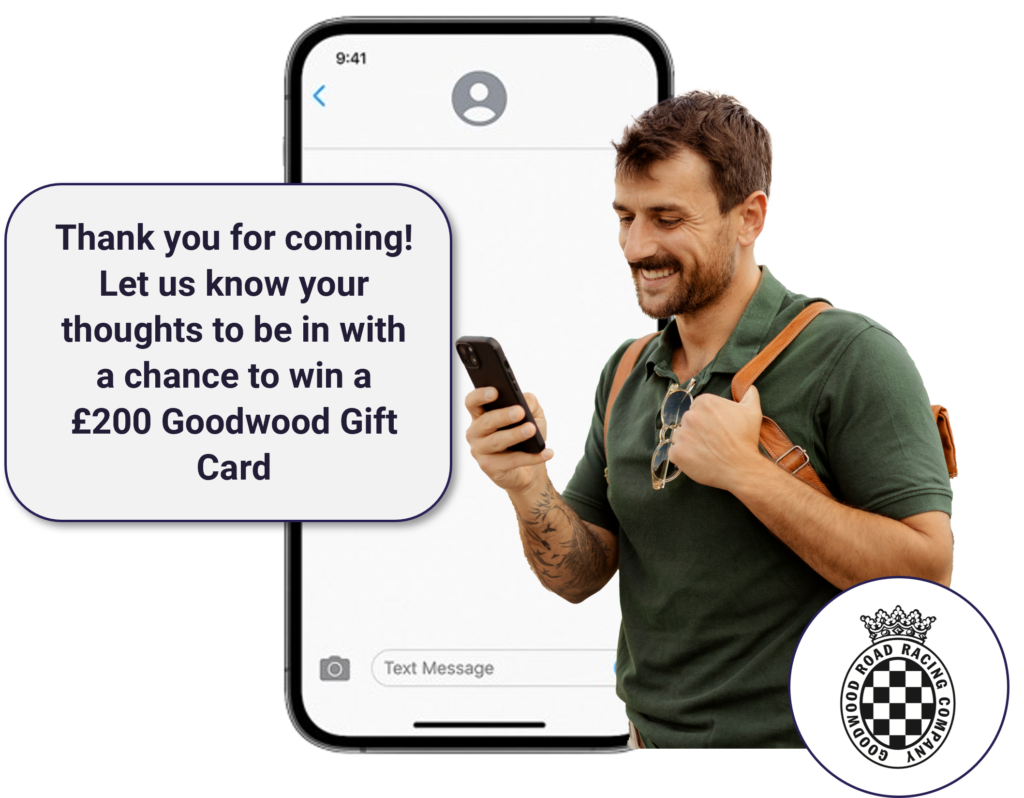
So they tried a different approach, sending a targeted SMS survey on the actual day each attendee was at the festival, complete with a prize draw incentive.
The results:
The completion rate jumped to 25%, more than double the email figure.
Why does this work?
Timing is everything with feedback. The closer you capture someone’s response to the experience itself, the richer and more accurate the data. SMS is perfectly suited for this because it reaches people in the moment, wherever they are. No need to open a laptop, find the email, or remember how they felt three days later.
Pro tip from Taylor Bryant, CRM Executive:
Ready to add SMS to your marketing mix?
These nine examples show that SMS isn’t a one-trick channel. Whether you’re driving flash sale revenue, collecting feedback, reducing booking drop-offs, or reaching audiences that email can’t touch, SMS delivers when it matters most.
The common thread across every example? Intentionality. The brands seeing the best results aren’t blasting their entire list with texts every week. They’re using SMS for the right message, to the right audience, at the right moment.
If you’re ready to explore what SMS could do for your business, take a look at Dotdigital’s SMS capabilities or download the full SMS inspiration guide for more detail on every example featured here.