



Most marketers know they should be doing more with personalization, but it’s not always clear what good looks like or what impact it has on performance.
In this article, we look at how brands using Dotdigital’s advanced personalization tools are tailoring experiences based on what people browse, buy, or leave behind. The examples touch on industries like retail, B2B, travel, and media, but the result is the same, and that is, when experiences feel relevant, people are more likely to convert.
One more thing before we get into it. Dotdigital was recently named a G2 Leader in personalization in the Summer 2026 rankings. G2 rankings are based entirely on verified customer reviews. So, the proof isn’t just in the examples below, it’s in what our customers are already saying.
1. Send abandoned cart emails that match how urgently someone needs to buy
Many brands have an abandoned cart journey in place that runs quietly in the background, doing its job. But not every abandoned cart means the same thing. For example, a sofa can wait, but a match ticket can’t.
The challenge is that many abandoned carts treat every product the same, such as:
- Same timing
- Same message
- Same level of urgency
And your customers can feel that mismatch. Advanced personalization helps to change that. Instead of sending a generic reminder, you adjust the follow-up based on what was left behind and how time-sensitive it is.
How Cardiff City FC applied it
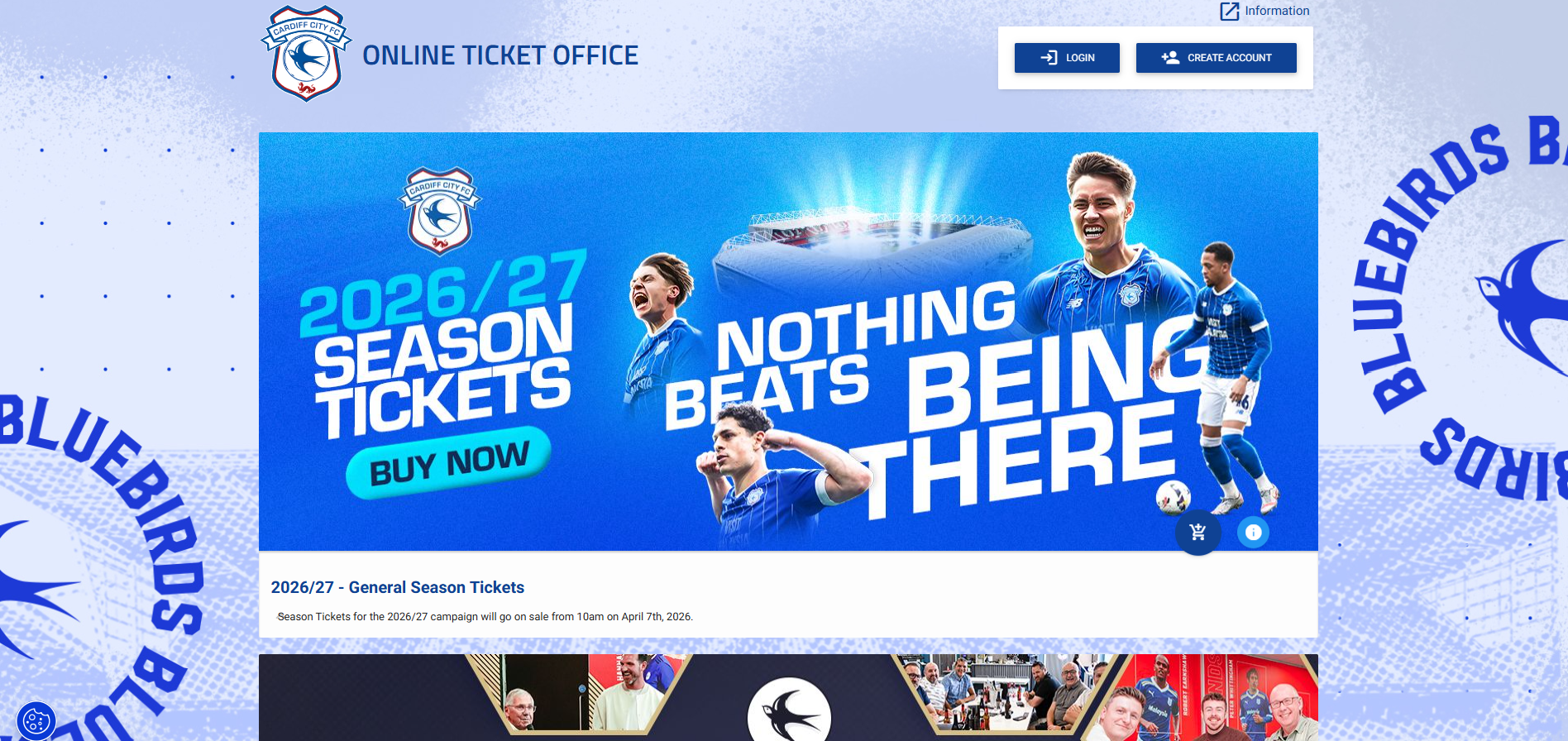
Cardiff City FC’s marketing team manages tickets, merchandise, hospitality, and memberships. The team found that fans were regularly abandoning carts before completing a purchase. For ticketing, that’s a different kind of problem than it is for an industry like retail because once kickoff passes, those tickets are gone.
Using Dotdigital’s advanced personalization tools, the team built a two-phase cart abandonment program:
- The first email lands within 30 minutes, showing the fan exactly what they left behind with a direct link back to checkout
- If they still haven’t purchased after 24 hours, a second email adds urgency around the approaching match day, alongside practical support like ticket office contact details
What happened when Cardiff City FC made the shift
- Cardiff’s original target was a 2-3x return on investment (ROI) but it actually achieved a 12.5x return
- Abandoned ticket recovery doubled compared to manual follow-ups
- Fan satisfaction scores for the ticket-buying process climbed consistently to 4+ out of 5 or above
Why does this work?
The timing matches the psychology of the purchase:
- The first email catches people while intent is still high
- The second taps into the time-sensitivity of match tickets without being pushy
- The tone stays helpful and fan-friendly throughout, which matters when you’re talking to supporters
Read the Cardiff City FC case study
2. Using browse abandonment to re-engage early travel intent
Not every website visitor is about to convert. In fact, a lot of early traffic happens while customers are in research mode. This is especially true for travel brands where a typical visitor journey can spread across a couple of visits and may look a little like this:
- People browse possible destinations
- Browsers comparing hotels, prices, or activities
- Saving things for later
- Just getting a feel for what they want
The challenge is what happens after that first visit. If they’re not ready to convert, it’s easy for that intent to disappear. So, the goal is to stay relevant without being pushy until they’re ready to book.
How Blue Sea Holidays applied it
Blue Sea Holidays sees a lot of this early-stage behavior. People are browsing destinations, but they aren’t ready to book yet.
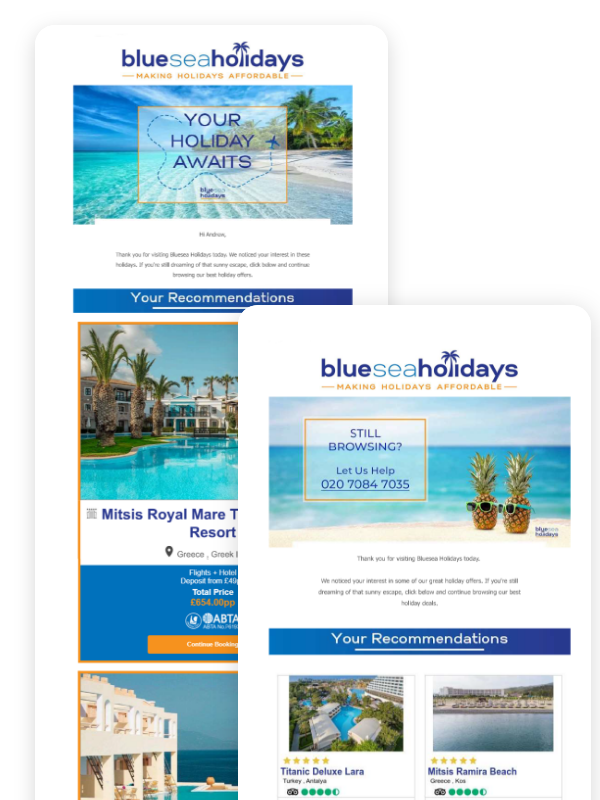
Working with the Dotdigital professional services team, Blue Sea Holidays used advanced personalization to extend its existing abandonment program to cover destination page visitors. So, instead of only following up when someone abandons a booking, they also send reminder emails when someone shows interest in a destination.
Each email is personalized to what they viewed, with recommendations like ‘people like you browse’ and ‘people like you buy.’ They also built a three-step pre-departure email program at 28, 14, and 3 days before travel, with helpful reminders about add-ons like car hire, travel insurance, and airport parking.
What happened when Blue Sea Holidays moved beyond cart abandonment
Within the first four months, the destination browse campaign was already performing in line with their existing abandonment programs, with a 37% open rate and 32% click-through rate. Since then, the pre-departure emails have become a reliable source of additional revenue.
Why does this work?
Not every visitor is ready to buy, and that’s fine. The key is staying relevant based on what they’ve already shown interest in. If someone is researching a destination, you’re the brand they think of.
The pre-departure journey builds on the same idea, too. Once someone books, personalization continues to add value right up to the point of travel.
Read the Blue Sea Holidays case study
3. What personalization looks like when you’re a team of one (or close to it)
A common assumption about advanced personalization is that you need things like a big team, a complex setup, or constant hands-on management to make it work.
But that’s not always that case. Sometimes the most effective setups are run by small teams who have marketing tech that syncs in real time.
How Anthem Publishing applied it
Anthem Publishing runs six magazine brands with a small team, managing multiple priorities at once. Their setup shows that advanced personalization doesn’t always need a large team or a complex build.
Using Dotdigital’s advanced personalization tools, Anthem Publishing focused on building personalization that runs in the background once it’s set up. On the website, they introduced smart targeting rules for banner slots, so messaging changes depending on who’s visiting. For example:
- New visitors see “Thanks for joining us”
- Returning visitors see “Welcome back”
- Existing subscribers see “Pick up where you left off” or something about their current subscription
They also replaced their previous recommendation setup with SmartBlocks (i.e., real-time, personalized content) on article pages, showing content based on browsing behavior rather than fixed placements.
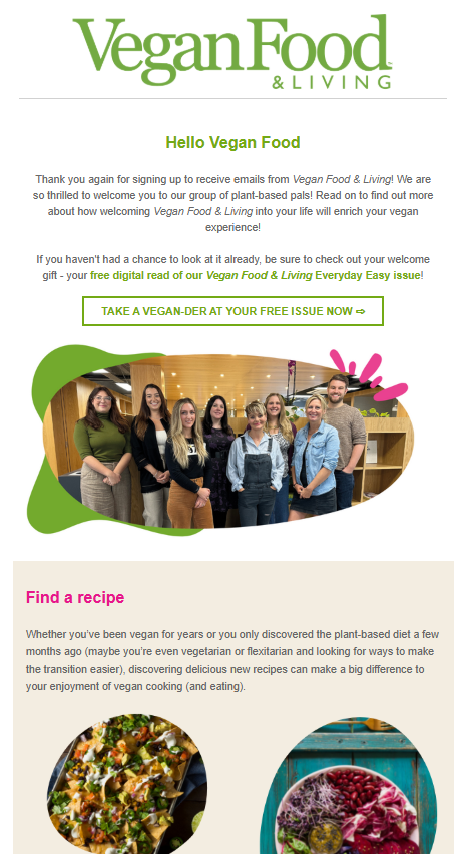
That same approach was applied to emails, too. Weekly newsletters include automated blocks showing articles and recipes each person has already shown interest in. There’s also a monthly round-up that builds personalized content carousels for engaged readers without any manual input.
What happened when Anthem Publishing focused on building personalization
- Pages per visit increased by 14%
- Personalized newsletter blocks drove 500 additional website visits per send
- The health newsletter’s automated section generates 1,000 extra clicks per send, which is a 30% lift on previous performance
- The program delivered a 5.7x ROI in its first year
Why does this work
Once the rules are in place, Dotdigital does the work. That’s what makes this model viable for a small team. The output scales without the headcount needing to. It also regularly shows content the editorial team had deprioritized, which turns out to be just as valuable as creating something new.
Read the Vegan Food & Living case study
4. Using product recommendations to increase order value in B2B journeys
B2B buyers don’t usually come in looking for just one thing. They’re trying to solve a wider need, so every purchase is part of a bigger setup.
B2B buying journeys are often longer and more complex than standard shopping experiences. Because of this, there’s an opportunity to increase order value through relevant add-ons and complementary products.
But the challenge is that while customers sometimes need multiple related products, many marketing teams don’t have a way to show the right add-ons at the right moment. It usually ends up being manual, inconsistent, or based on guesswork, which means opportunities to increase order value get missed.
How Lockhart Catering Equipment applied it
Lockhart Catering Equipment supplies professional kitchens across the UK. Their customers typically need multiple related products, but with a catalog spanning thousands of items, showing the right bundle at the right moment wasn’t something the team could do manually at scale.
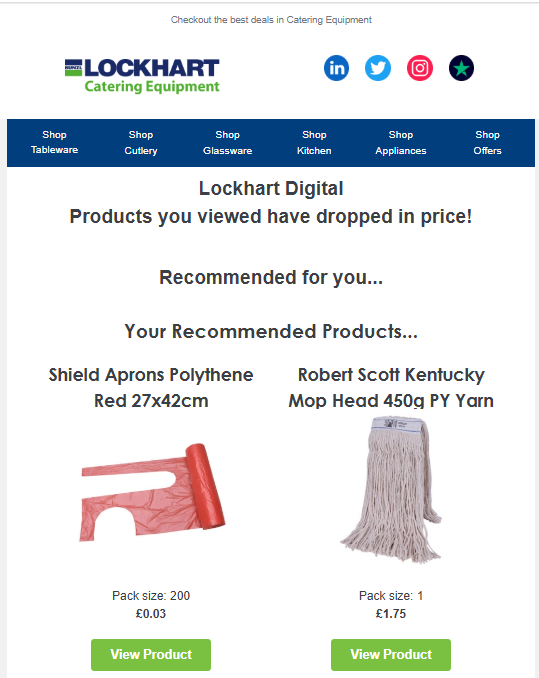
Using Dotdigital advanced personalization tools, the team launched AI-driven product recommendation emails based on purchase history. Instead of using generic product pushes, customers received recommendations tailored to what they had already bought, including complementary items and relevant bundles. The program runs automatically, and is triggered by behavior rather than manual sends.
What happened when Lockhart Catering Equipment made the switch
- The program generated over £50,000 in revenue within 90 days
- Delivered a 10x ROI
- Produced a 1,200% improvement in last-click attribution
Why does this work
Customers don’t always know what they’re missing until it’s shown to them. When recommendations are grounded in real purchase behavior, they feel helpful rather than promotional. Automating this means every customer gets relevant suggestions at the right moment, without relying on manual targeting or team capacity.
Read the Lockhart Catering case study
5. Turning B2C browse behavior into targeted follow-ups
When someone browses or adds products to a cart, it usually means they’re interested, but they’re just not ready to buy yet. The challenge for most teams is scale. It’s easy to miss those signals or rely on generic reminders that don’t reflect what the customer was actually looking for.
How Wurth UK applied it
Wurth UK is one of Britain’s leading suppliers of trade tools, fasteners, and workshop consumables. With tens of thousands of products and a large customer base of tradespeople and businesses, delivering a follow-up that feels personal rather than automated was the challenge.
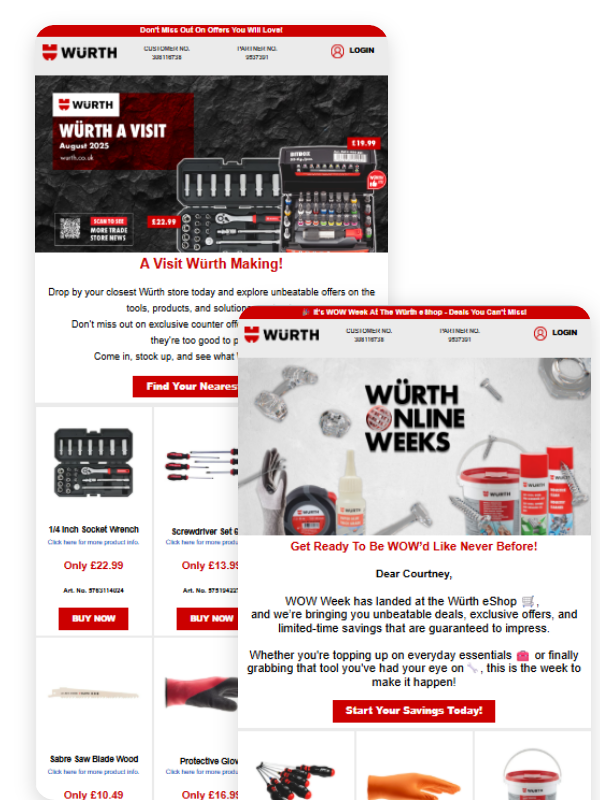
Using advanced personalization tools alongside Dotdigital, Wurth UK built a comprehensive abandonment program covering both cart and browse behavior. Customers received personalized emails based on the exact products they had been viewing or considering.
What changes did Wurth UK see
The program generated £800,000 in revenue from abandonment campaigns and contributed to a 72.4% overall revenue increase.
Why does this work
In B2B, people compare, review, and come back when the timing is right. When your email marketing reflects what someone has already shown interest in, you stay relevant during that decision window without the need for manual campaign management. This helps keep your brand front of mind, increasing the likelihood they return and convert when they’re ready to buy.
6. Reminding shoppers about the items they nearly bought
People don’t always leave because they’ve lost interest. Most of the time, they’re just still thinking it over. The challenge is turning that hesitation into a return visit without relying on generic reminders that don’t reflect what someone actually viewed or added to their cart.
How Harvey & Thompson applied it
Harvey & Thompson, one of the UK’s leading pawnbrokers and jewelers, had plenty of traffic coming into their online ecommerce store but weren’t converting as much as it wanted. People were browsing products, adding items to their cart, then leaving before completing the purchase.
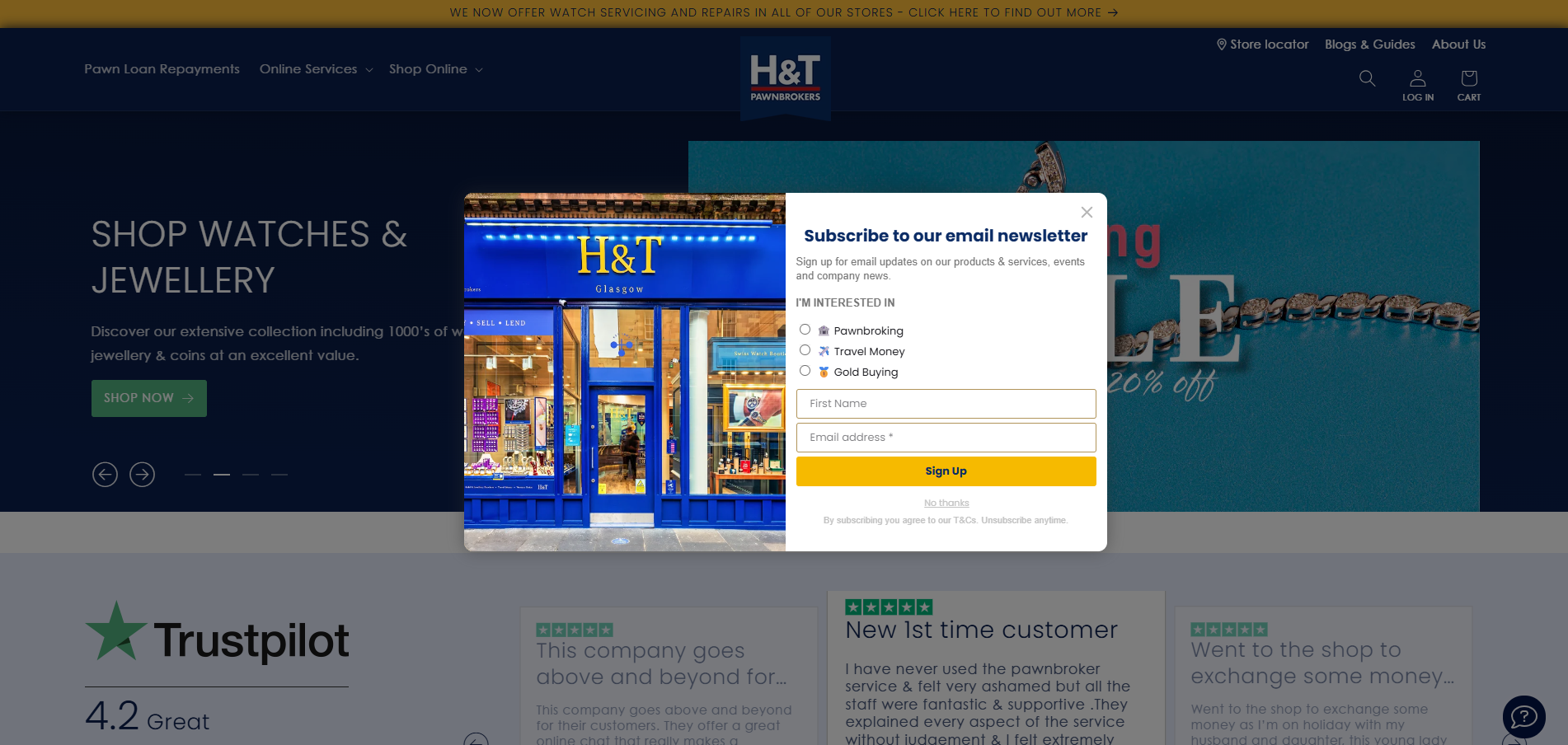
Working with Dotdigital’s personalization tools, Harvey & Thompson built a cart abandonment program with personalized emails showing each customer the specific items they left behind.
What happened when Harvey & Thompson switched to personalized emails
The program generated £151,843 in revenue within its first 10 weeks and delivered twice the UK retail conversion rate average, which is between 1% to 4%.
Why does this work
Jewelry is rarely an impulse purchase because people come back multiple times before they commit to buying. Sending a personalized reminder that reflects the exact item they were considering brings them back at the right moment in that journey. It feels timely and relevant, rather than a broad message sent to everyone.
Read the Harvey & Thompson case study
Where to start your personalization journey
These six examples cover different industries, different channels, and different use cases, but they all point to the same thing and that is, when content feels relevant to the customer, they’re more likely to act.
None of these brand examples needed a large team or a lengthy build. Most were up and running in weeks. If you’ve been putting off personalization because it sounds complicated, then these results are a good reason to reconsider.
Dotdigital makes this kind of personalization accessible for marketing teams of all sizes.
