
What is marketing automation? How it works and getting started

Marketing automation helps makes your marketing more effortless and precise, letting you reach the right person with the right message at the right moment, all without stretching your workday.
In this guide, we’ll break down:
- What marketing automation is
- How it works
- Why it matters for your marketing
You’ll get practical tips, some examples, and step-by-step guidance to help you engage your audience, save time, and drive better results.
What is marketing automation?
Marketing automation lets technology take care of the repetitive tasks in your marketing, so you can spend more time on things like strategy, creativity, and connecting with your audience.
It also helps you:
- Run campaigns more smoothly
- Gather meaningful insights
- Deliver messages that feel personal to each customer
So, by using automation, your marketing becomes more efficient, your manual workload shrinks, and your results improve, whether that means boosting engagement, generating leads, or increasing sales.
How does marketing automation work?
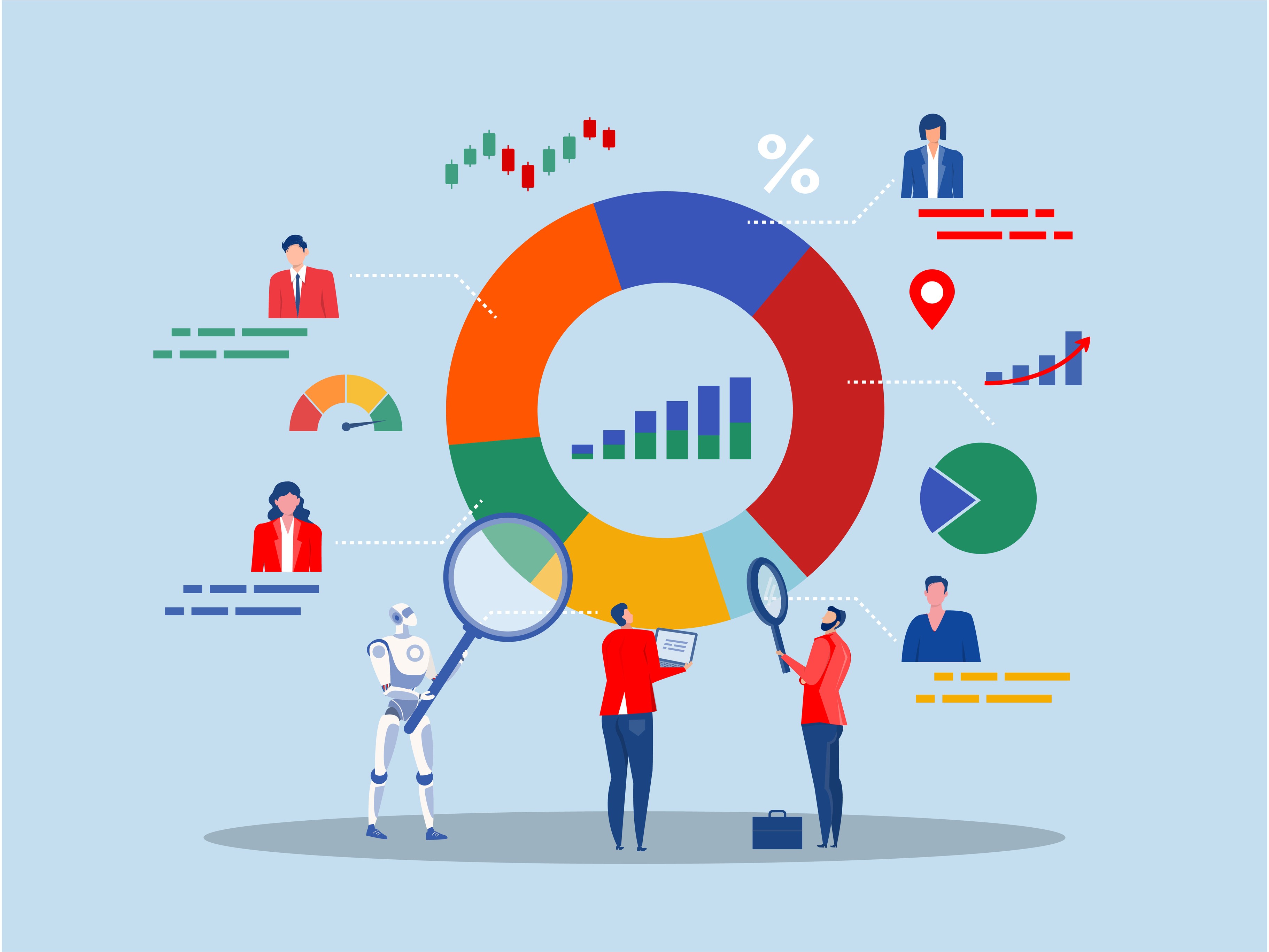
At its core, marketing automation uses customer data and behavior to guide your campaigns. Instead of tracking interactions manually, the platform collects data across channels, like email, SMS, social, and your website, and helps you understand what your customers want.
From there, you can create triggered campaigns that respond to customer actions automatically.
For example:
- A new subscriber signs up → they receive a welcome series that introduces your brand
- Someone abandons their shopping cart → they get a friendly reminder with a small incentive
- A customer browses high-value content → they receive follow-up tips or related product recommendations
By delivering the right message, on the right channel, at the right time, marketing automation makes every interaction feel thoughtful and personal, while giving your team more time to focus on strategy and creativity.
The benefits of marketing automation
Marketing automation helps you focus on the work that really matters, which is building campaigns that connect with your audience. By combining smart technology with real customer insights, it makes your marketing more efficient, more personal, and more effective.
Here’s how it can help you get results, faster:
1. Save time and get more done
Marketing automation takes care of the repetitive tasks that eat up your day, from sending emails to posting on social media. It can handle complex workflows at scale, without errors, freeing you up to focus on strategy and creativity.
- Feature: Trigger multi-step campaigns automatically
- Use case: Onboard new subscribers with a welcome series or nurture leads without manual follow-ups
2. Target the right people with smarter segmentation
You don’t have to guess who’s most likely to engage. Marketing automation lets you create highly detailed segments based on behavior, preferences, demographics, or purchase history.
For example, by using eRFM modeling, you can segment your customers based on their:
- Recency (how recently they made a purchase)
- Frequency (how often they make purchases)
- Monetary value (how much they spend)
- Feature: Use predictive analytics and a single customer view to guide campaigns
- Use case: Identify your most valuable customers and deliver messages that match their interests, boosting engagement and loyalty
3. Deliver content that’s personalized and relevant
Automation makes personalization at scale achievable. You can serve the right content to the right person at the right time, whether that’s through email, website messaging, or SMS.
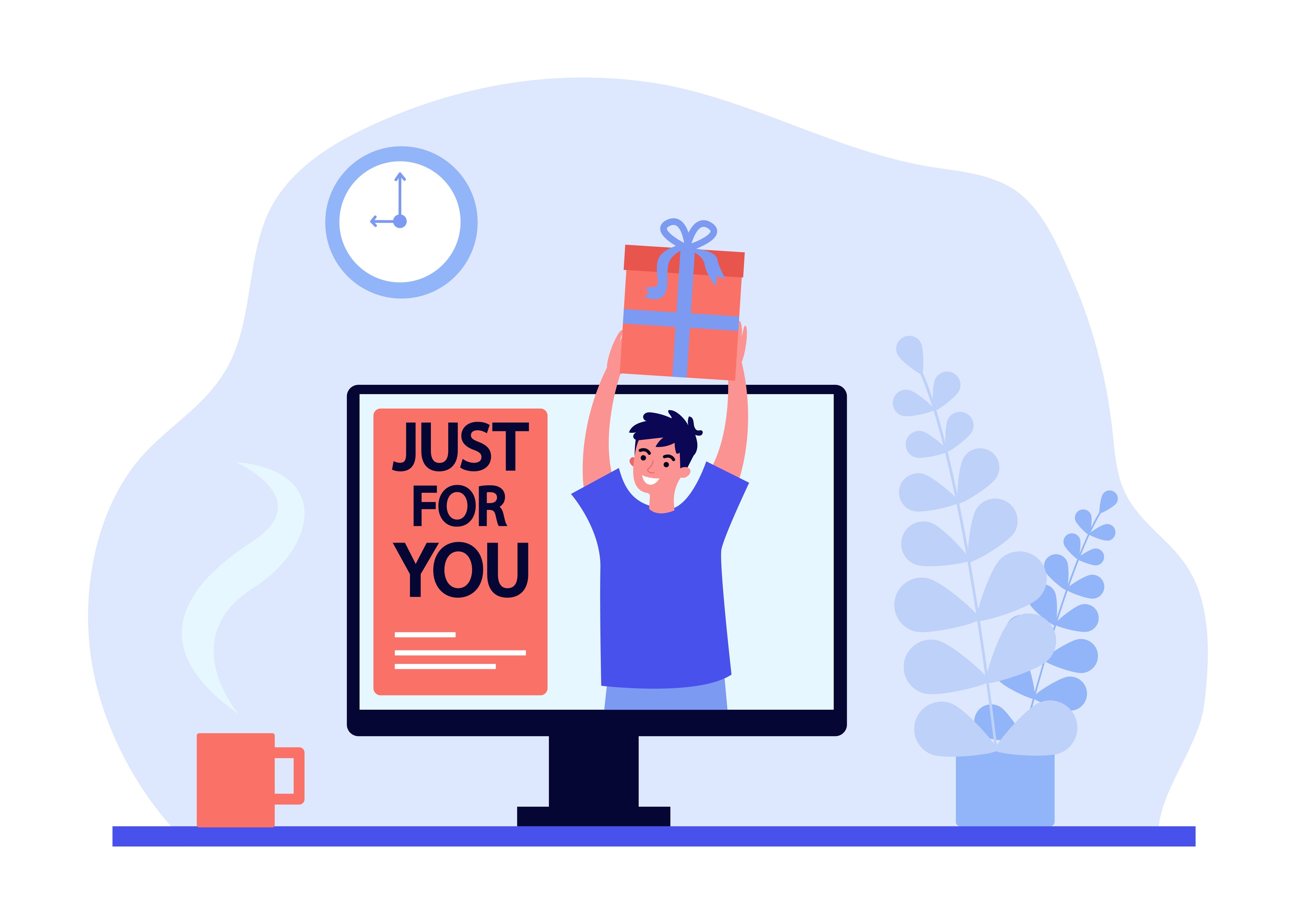
- Feature: Dynamic content and personalization across channels
- Use case: Recommend products based on browsing behavior or previous purchases to increase conversions
4. Multi-channel engagement from one platform
With marketing automation on an all-in-one platform like Dotdigital, you can manage emails, SMS, social campaigns, and website messaging from a single workflow, without having to juggle multiple tools. Everything works together seamlessly, making it easier to reach your audience across channels and keep your campaigns on track.
- Feature: Multi-channel orchestration
- Use case: Launch a campaign that starts with an email, follows up with a retargeting ad, and finishes with an SMS reminder, all automatically
5. Make smarter, data-driven decisions
With real-time analytics, you can see what’s working, what isn’t, and adjust where you need to. Instead of guessing, you can rely on clear insights to guide your strategy and improve results.
- Feature: Dashboards, reporting, and performance tracking
- Use case: Quickly spot which campaigns are driving the most engagement or revenue and tweak them for better results
6. Streamline the customer journey
Marketing automation lets you respond instantly to customer behavior, helping guide them naturally to the next step in their journey. By reacting in real time, you can make the experience smoother and more effective for your audience.
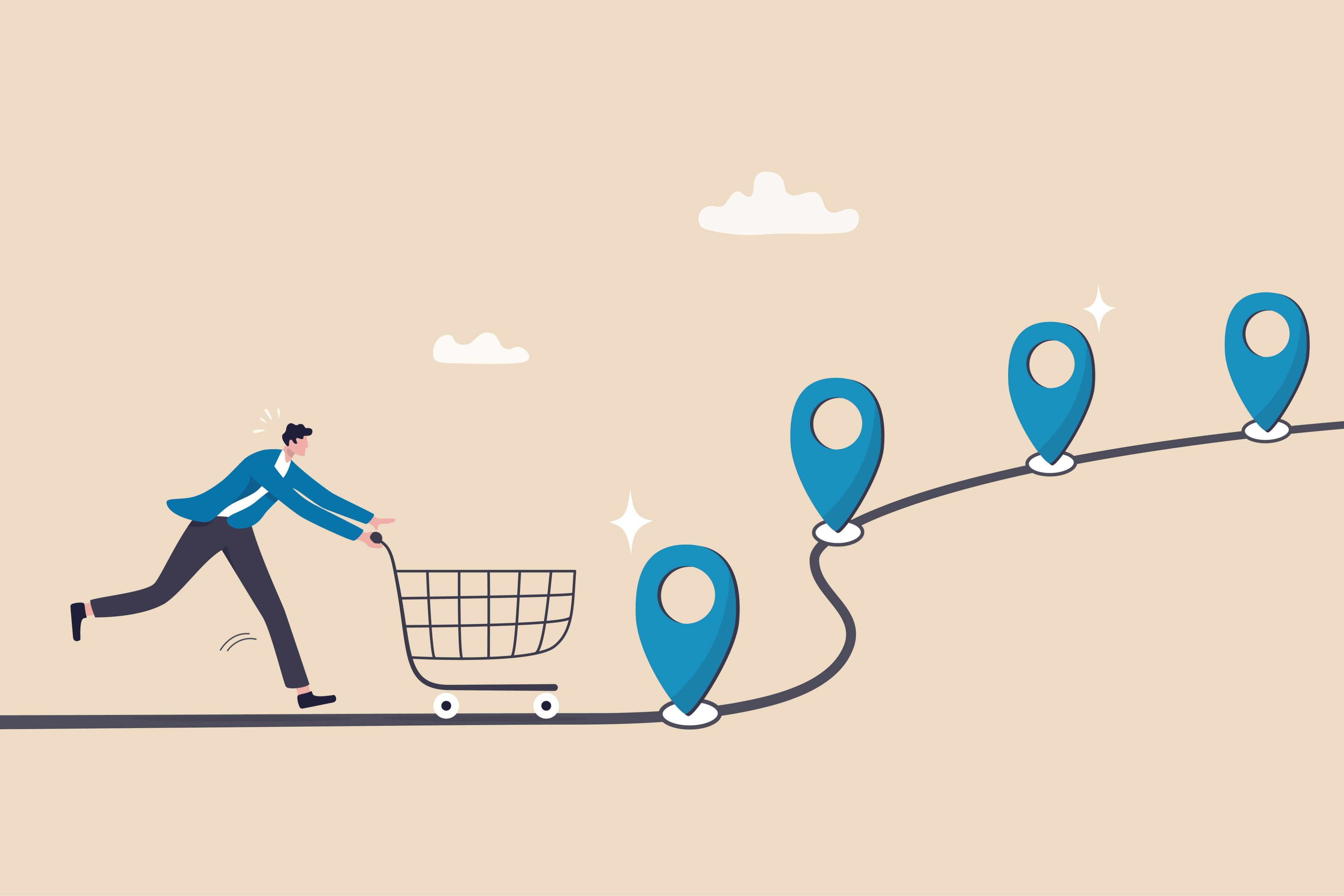
- Feature: Triggered messages based on actions, like abandoned cart reminders or post-purchase follow-ups
- Use case: Deliver timely messages that encourage conversions and keep customers engaged
7. Create memorable customer experiences
Efficiency is important but it’s also about making every interaction feel thoughtful and personal. Marketing automation helps you create and deliver meaningful, consistent experiences that your audience remembers.
- Feature: Personalized offers, triggered communications, and lifecycle campaigns
- Use case: A visitor shows interest in a product, and they automatically receive follow-up emails highlighting related products or special discounts, which boosts satisfaction and conversion
Types of marketing automation programs
If you’re looking to integrate automation into your marketing strategies, you can start by implementing different automation programs.
Marketing automation programs allow you to catch and nurture customers at any point in your customer journey. Here are some programs you can implement today.
1. Customer engagement programs
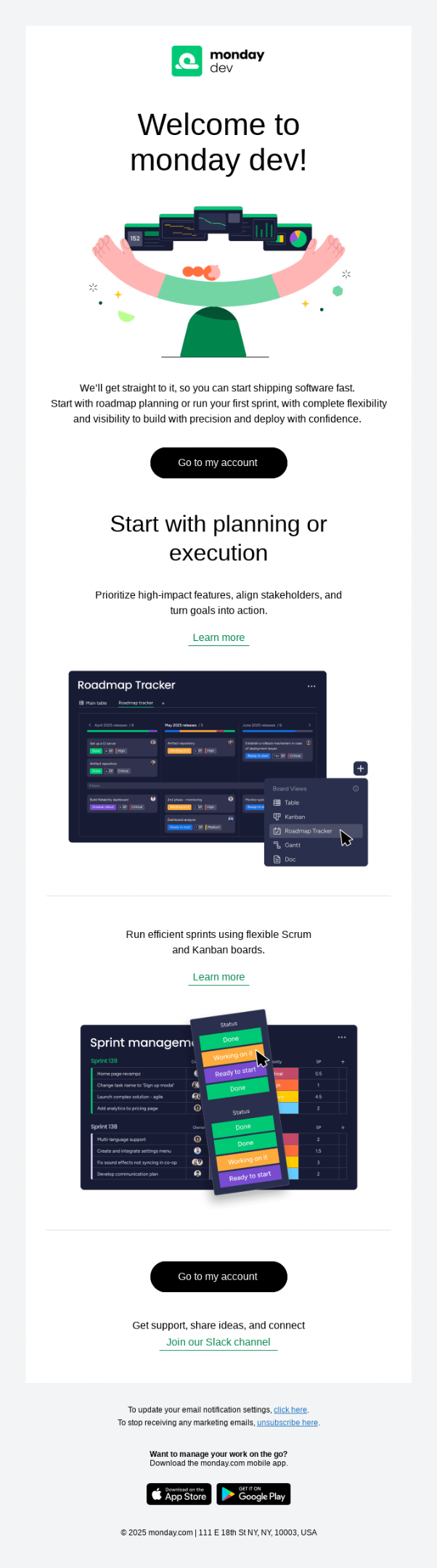
Welcome series
Make a strong first impression with every new subscriber. Marketing automation lets you deliver a personal, multi-step welcome experience that sets the tone for a positive relationship between your brand and your audience.
Here’s a workflow example:
- A user signs up for your newsletter
- An automated welcome email is sent immediately, introducing your brand and key offerings
- Two days later, a follow-up email shares helpful content or tips tailored to their interests
- A final email highlights your most popular products or services to encourage the first purchase
Channels: Email (primary), optional SMS follow-up
CRM connection: Contact tagged as “new subscriber,” engagement tracked for future segmentation
Why it matters:
- Saves your team time
- Keeps new subscribers engaged
- Increases the likelihood of a first purchase
Loyalty programs
Encourage repeat customers and strengthen brand loyalty by implementing a rewards-based loyalty program. Incentivize your customers to keep choosing your brand through various offers, discounts, or personalized perks.
Here’s a workflow example:
- Customer completes a qualifying purchase
- Automated email confirms reward points or loyalty perks
- Follow-up emails highlight opportunities to earn more rewards or redeem points.
Channels: Email, SMS
CRM connection: Customer points and activity logged for segmentation and targeting
Why it matters:
- Boosts repeat purchases
- Keeps your brand top of mind
Marketing preference collection
Give your customers control over the content they receive and make every interaction feel personal. Collecting marketing preferences helps you deliver messages that truly match your audience’s interests while reducing unsubscribes.
Here’s a workflow example:
- A new subscriber joins your list
- Automated email asks them to set their preferences (topics, frequency, channels)
- Preferences are stored in your CRM and used to segment future campaigns
- Automated follow-ups adjust messages across email, SMS, and social media based on these choices
Channels: Email, SMS, social, web personalization
CRM connection: Preferences logged in the CRM to maintain a single customer view and trigger tailored campaigns
Why it matters:
- Personalizing content based on preferences increases engagement
- Keeps your audience happy
- Makes your marketing more relevant and effective
Birthday & anniversary programs
Delight customers with personalized messages and special offers on their milestones. This gesture not only reinforces your brand’s goodwill but also helps strengthen a deeper connection with your audience.
Here’s a workflow example:
- Customer’s birthday or anniversary is detected from CRM data
- Automated email or SMS is sent with a celebratory message and exclusive offer
Channels: Email, SMS
CRM connection: Milestones logged for ongoing segmentation and follow-ups
Why it matters:
- Builds emotional connection
- Encourages engagement or purchases
2. E-commerce programs
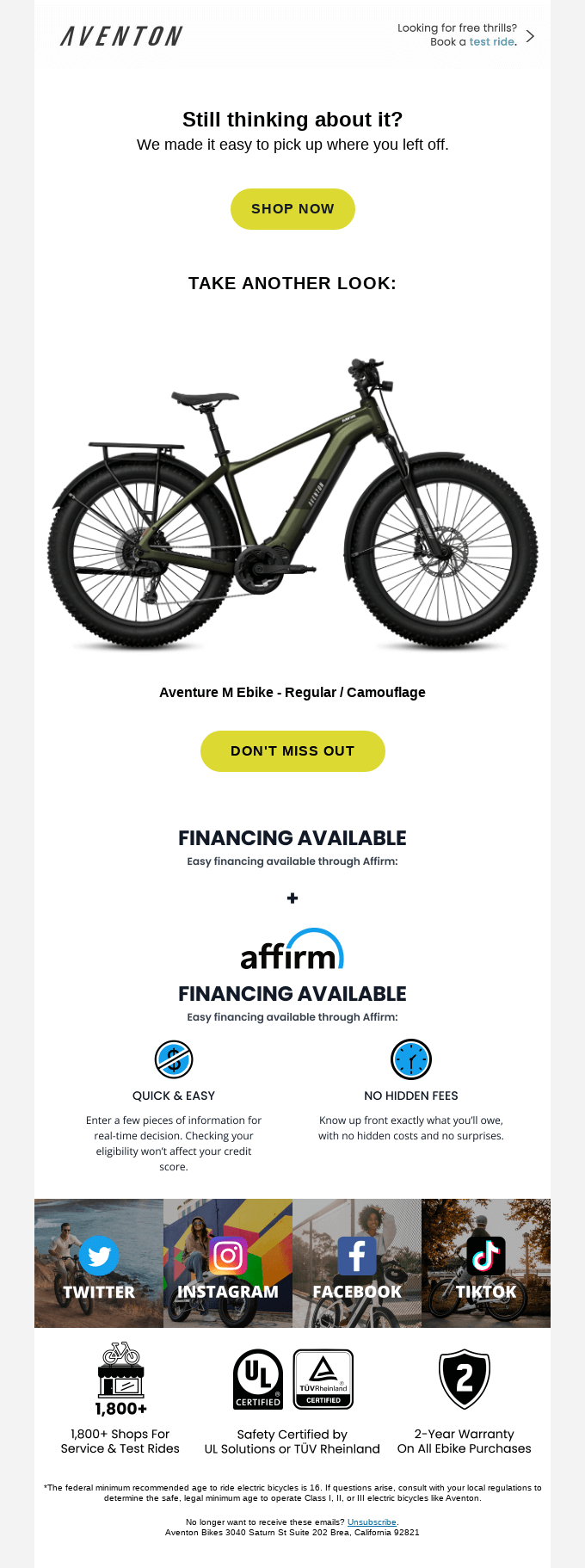
Abandoned cart
You can reduce cart abandonment and drive more sales by setting up a triggered campaign that sends a reminder or a tailored incentive when a shopper leaves items in their cart. This gentle follow-up encourages them to complete their purchase and helps you recover revenue that might otherwise be lost.
Here’s a workflow example:
- A customer adds products to their cart but doesn’t check out
- An automated email reminder is sent within a few hours, showing the items left behind
- If there’s no response, a follow-up email with a small discount or free shipping offer is sent the next day
- Optionally, an SMS reminder or retargeting ad reinforces the message across channels
Channels: Email, SMS, retargeting ads
CRM connection: Customer behavior logged in CRM for future engagement and segmentation
Why it matters:
- Increases conversions
- Drives revenue
- Helps make your customers feel valued without manual effort
Post-purchase follow-up
You can strengthen engagement and improve satisfaction by sending automated follow-up emails after a purchase. Whether you’re asking for a review, gathering feedback, or sharing helpful tips related to the product, these timely messages show customers you’re paying attention. Over time, that consistent support helps build trust and long-term loyalty.
Here’s a workflow example:
- Customer completes a purchase
- Automated thank-you email with order confirmation is sent immediately
- Follow-up email requests feedback or a review, and suggests complementary products
Channels: Email, SMS
CRM connection: Purchase logged, engagement tracked for segmentation
Why it matters:
- Enhances customer experience
- Builds trust
- Drives repeat business
Upsell campaigns
You can increase revenue by recommending products based on a customer’s past purchases. When you highlight complementary items or thoughtful upgrades, you create natural opportunities for additional sales while making it easier for customers to find what they need. This not only lifts average order value, but also shows that you understand their preferences.
Here’s a workflow example:
- Customer completes a purchase
- Automated email highlights complementary or upgraded products
- Optional reminder emails or ads are sent to encourage additional purchases
Channels: Email, SMS, retargeting ads
CRM connection: Purchase history tracked for personalized recommendations
Why it matters:
- Boosts average order value and revenue while meeting customer needs
3. Sales enablement programs
Follow-up campaigns
Make sure no prospect is missed by automating outreach after key interactions. This helps busy sales teams maintain consistent communication and cultivate relationships with potential customers.
Here’s a workflow example:
- Prospect downloads a guide, registers for a webinar, or attends an event
- Automated email thanks them and provides additional resources
- Follow-up email or SMS encourages next steps, like booking a demo
Channels: Email, SMS
CRM connection: Interaction logged and tagged for sales hand-off
Why it matters:
- Keeps prospects engaged
- Ensures timely follow-up without manual effort
Lead nurturing
You can improve conversion rates by guiding prospects through a personalized, multi-stage journey that speaks to their needs and builds trust over time. Marketing automation supports this by delivering the right content at each stage, based on how someone interacts with your brand and what they’re interested in.
Here’s a workflow example:
- Prospect expresses interest via a form or download
- Automated sequence sends targeted content over several days or weeks
- Highly engaged leads are flagged and passed to sales for personal follow-up
Channels: Email, SMS
CRM connection: Engagement tracked for segmentation and sales readiness
Why it matters:
- Builds trust
- Increases conversion rates
- Keeps leads moving through the funnel
Abandoned browse
Identify prospects who show high intent by visiting pages like pricing or demo requests and send triggered campaigns to re-engage them before they lose interest. This approach can help keep potential customers within your sales funnel.
Here’s a workflow example:
- Prospect visits a pricing page or demo request form but doesn’t act
- Automated email or SMS is sent to encourage next steps
Channels: Email, SMS
CRM connection: Page visit logged for segmentation and targeting
Why it matters:
- Reduces drop-off
- Recaptures attention
- Drives conversions
4. Re-engagement programs
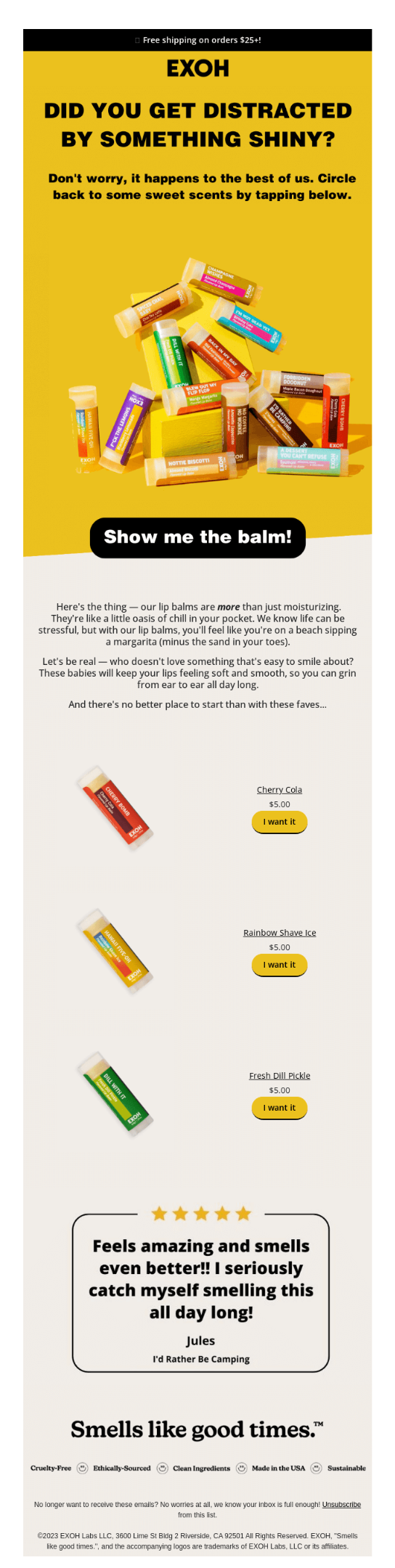
Win-back campaigns
You can reconnect with customers who haven’t engaged or shopped with you recently by delivering personalized content designed to win them back. Tailored incentives and offers can help reignite their interest and help rebuild their relationship with your brand.
Here’s a workflow example:
- Identify inactive customers via engagement data
- Automated email offers incentives or personalized content to re-engage them
- Follow-up reminders are sent across channels if there’s no response
Channels: Email, SMS, retargeting ads
CRM connection: Engagement and reactivation attempts logged
Why it matters:
- Rekindles relationships
- Recaptures lost revenue
Lapsed lead programs
When a prospect starts to disengage, you can launch targeted re-engagement programs designed to bring them back. By sharing fresh content or offering a thoughtful incentive, you can capture their attention again and spark renewed interest in your brand.
Here’s a workflow example:
- Identify prospects who haven’t interacted in a set period
- Send targeted email or SMS with fresh content or offers
Channels: Email, SMS
CRM connection: Engagement tracked for future segmentation
Why it matters:
- Reduces churn
- Keeps leads active in your pipeline
Renewal reminder & preference updates
You can automate timely reminders for customers to renew subscriptions, memberships, or update their marketing preferences. By keeping your content relevant to their needs, you maintain ongoing relationships, drive consistent revenue, and make it easier for customers to stay engaged.
Here’s a workflow example:
- Subscription or membership is nearing renewal
- Automated reminder email or SMS is sent with renewal instructions
- Inactive contacts prompted to update preferences to stay engaged
Channels: Email, SMS
CRM connection: Renewal and preference updates logged
Why it matters:
- Maintains revenue consistency
- Improves long-term engagement
Retargeting campaigns
You can reach customers beyond email by showing personalized ads across the web and social channels. Retargeting helps re-engage users who have interacted with your brand but haven’t yet converted.
Here’s a workflow example:
- Visitor browses key pages on your website (e.g., product pages or pricing)
- Automation tags the user and adds them to a retargeting audience
- Personalized display ads are served on social media or partner sites, highlighting products or offers they viewed
- Optional follow-up email or SMS reinforces the message if they still haven’t converted
Channels: Display ads, social media, email, SMS
CRM connection: User activity logged to track engagement and segment audiences for future campaigns
Why it matters:
- Recaptures potential customers
- Boosts conversions
- Keeps your brand top-of-mind without manual effort
5. SMS programs
SMS coupon codes
You can encourage quick, spontaneous purchases by sending targeted offers directly to your customers’ phones, making it easy for them to act in the moment.
Here’s a workflow example:
- Identify customers for a limited-time promotion
- Automated SMS delivers a coupon code with urgency messaging
Channels: SMS
CRM connection: Redemption tracked for segmentation and ROI analysis
Why it matters:
- Increases immediate sales and supports high SMS click rates
SMS order confirmations & event reminders
Keep customers informed and engaged with timely notifications like their order details or information to attendees to keep the event top-of-mind.
Here’s a workflow example:
- After a purchase or event registration, automated SMS confirms details
- Follow-up SMS reminds attendees before the event or delivers tracking info for orders
Channels: SMS
CRM connection: Engagement logged and linked to customer records
Why it matters:
- Enhances experience
- Reduces friction
- Builds trust
What marketing automation can do
There’s more to marketing automation than just sending emails. It gives you the tools to worksmarter, personalize better, and make decisions faster. Here’s a snapshot of the capabilities you can benefit from:
1. Trigger logic and personalization conditions
- Set up actions based on customer behavior, like clicks, page visits, or past purchases
- Example: A visitor looks at a product page → automation triggers a targeted follow-up email or SMS
2. Lead scoring and qualification
- Automatically rank leads based on engagement and behavior to help your sales team focus on the hottest prospects
- Example: High-scoring leads are flagged and passed directly to sales for follow-up, saving time and increasing conversions
3. CRM integration
- Keep your customer data synchronized so marketing and sales always have a complete view
- Example: New subscriber activity or abandoned cart behavior updates the CRM automatically for segmentation or future campaigns
4. Multi-channel automation
- Coordinate campaigns across email, SMS, social, and web to reach customers wherever they are
- Example: Welcome series starts with email, followed by a social ad, and ends with an SMS reminder
5. Analytics and reporting
- Monitor performance across campaigns and channels with dashboards, metrics, and insights
- Example: See which emails, SMS, or ads drive the most engagement and adjust campaigns in real time
How to get started with marketing automation
Now that you know what marketing automation is and why it matters, it’s time to put it into action. These seven steps will help you build a plan that works for your audience and your business:
1. Pick the right marketing automation platform
Start by choosing a marketing automation platform that fits your needs. With Dotdigital, you can manage customer interactions across channels, unify your data, and create campaigns that feel personal and relevant.
A good platform saves time, keeps your marketing organized, and gives you insights into your customers so you can make smarter decisions.
2. Set clear objectives
Before diving in, decide what success looks like. Do you want to:
- Boost engagement?
- Generate more leads?
- Drive sales?
Clear, measurable goals will guide your campaigns and make it easier to track progress.
3. Segment your audience
Segmentation is the key to delivering targeted and personalized marketing messages. Use data collected from various customer touchpoints to create meaningful segments based on demographics, behavior, preferences, and more. This will help you to craft tailored content, enhancing the effectiveness of your marketing automation initiatives.
4. Map out customer journeys
Think about the steps your customers take; from first hearing about you to making a purchase. Mapping their journey helps you deliver the right message at the right moment.
Marketing automation makes this easy. For example, if a customer adds items to their cart but doesn’t check out, an automated abandoned cart email can remind them and even include a small incentive.
5. Create content that’s relevant and engaging
Once you know your audience and their journey, craft content that grabs attention and encourages action. Keep it relevant, useful, and tailored to each segment. Test different messages and visuals to see what works best.
6. Test, learn and optimize
Marketing automation isn’t “set it and forget it.” A/B testing and ongoing optimization help you get the best results. Try different subject lines, messaging, or timing, and use the data to improve every campaign.
7. Monitor results and improve
Keep an eye on the metrics that matter like open rates, clicks, conversions, and ROI. By identifying patterns and areas for improvement, you can make informed adjustments to refine your marketing automation strategy over time.
Is Dotdigital a marketing automation platform?
Yes. Dotdigital is a marketing automation platform designed to enhance and extend your marketing strategy. Its advanced features and intuitive interface make it easy to create, automate, manage, and analyze campaigns across multiple channels.
The platform connects seamlessly with ecommerce and CRM systems, allowing you to segment your audience, personalize messages, and deliver highly relevant content that engages customers.
With Dotdigital, you can build dynamic email templates, automate campaigns, and track performance in real time. It’s an ideal solution if you’re looking for an all-in-one platform that keeps your marketing efficient, effective, and connected.
Final thoughts
Marketing automation is a great tool that helps you work smarter, connect better, and deliver experiences your customers remember. When you bring automation into your marketing strategy, you can:
- Boost your campaigns with targeted, personalized content
- Save time, cost and resources by letting automation handle repetitive tasks
- Make every customer interaction count, creating smoother journeys and stronger relationships
By using marketing automation thoughtfully, you can understand your audience, engage them where it matters most, and turn insights into results. And all while freeing your team to focus on the creative and strategic work that drives growth.