

5 steps to successful email marketing campaigns (with examples)
Email marketing is one of the most powerful ways to grow your business. When done right, a successful email marketing campaign delivers one of the best returns on investment of any channel, 35% of companies receive $10-$36 in return for every $1. That’s a serious return compared to traditional advertising.
But great results don’t happen by accident. They come from smart strategy, thoughtful execution, and the right tools. Here’s how to create an email marketing campaign that actually works.
What is an email campaign?
An email campaign is a series of messages you send to your subscribers with a clear purpose like promoting a new product or keeping your audience engaged.
Campaigns are usually targeted to a specific audience segment rather than your entire list. They’re designed to deliver something valuable to the reader, whether that’s helpful content, exclusive offers, or personalized recommendations.
The goal is to build stronger relationships with your audience over time while driving measurable results.
The benefits of email marketing campaigns
Email marketing helps you stay connected with your audience in a direct, measurable way. Unlike social media, you own your contact list and can reach people without relying on algorithms.
Here’s some of the biggest benefits:
- Reach the right people by targeting specific segments of your audience based on behavior, preferences, or location.
- Drive measurable results by tracking every open, click, and conversion to understand what’s working.
- Build loyalty with regular, relevant communication that keeps your brand top of mind and strengthens customer relationships.
- Save time with automation, making it easy to send personalized messages at scale.
How to create an effective email marketing campaign
Creating an effective campaign comes down to planning, testing, and optimizing. Follow these steps to build emails that engage your audience and deliver results.
Step 1. Define your goals and target audience
Before you write a single line of copy, know the goals you want to achieve and who you’re talking to.
Your goals might include:
- Growing your subscriber base
- Driving sales or bookings
- Re-engaging inactive customers
- Promoting new products or events
Once you know your goals, it’s time to identify and define your target audience. Segment your email list by things like location, purchase history, or engagement level. Sending targeted, relevant messages not only boosts performance but also builds trust and reduces unsubscribes.
Step 2. Choose your type of email marketing campaign
Different goals call for different types of email campaigns. A few common examples include:
- Welcome emails: Introduce new subscribers to your brand
- Newsletters: Share updates, insights, and helpful content
- Promotional campaigns: Highlight offers or new products
- Re-engagement emails: Win back inactive subscribers
- Transactional emails: Confirm orders or share delivery updates
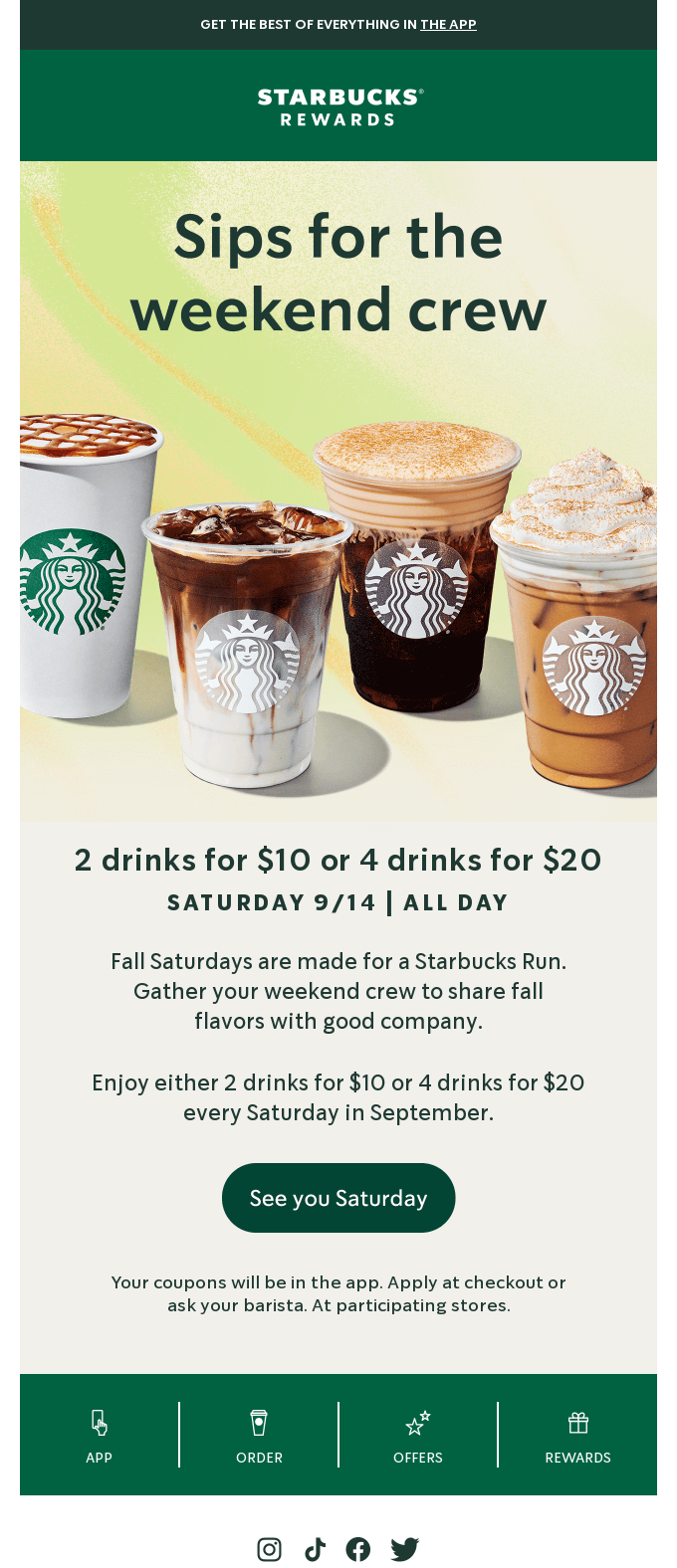
Choosing the right type of email campaign helps you focus your message and design content that supports your objectives. Once you know what you’re sending, it’s time to think about two things on how to make it land: your subject line and your email design.
Writing subject lines that get opened
Your subject line decides whether someone opens your email or ignores it. If it doesn’t grab attention, the rest of your message won’t get seen.
Keep it short. Around 40 characters or fewer helps prevent it from getting cut off on mobile. Be clear about what’s inside the email and make it feel relevant to the person reading it.
Here are a few approaches that work well:
- Personalization: Use details like a first name or recent purchase to make the email feel more relevant
- Curiosity or urgency: Give people a reason to open now rather than later
- Clarity over cleverness: Straightforward subject lines that explain the value usually outperform overly clever ones
Don’t forget about the preview text. This is the short snippet that appears next to your subject line in most inboxes. Think of it as a second chance to convince someone to open. Use it to add context instead of repeating the subject line.
If you’re unsure what works best, test it. Send two subject line variations to a small portion of your list and let performance decide the winner.
Designing emails people actually read
Good email design is about making your message easy to read and easy to act on. Start with one clear goal for the email. Every design choice should support that goal, from the layout to the call-to-action (CTA).
A few principles help keep emails effective:
- Design for mobile first: A large share of emails are opened on phones. If it doesn’t look good on a small screen, people will drop off quickly
- Make it scannable: Use short paragraphs, headings, and white space. Most people skim before deciding to read properly
- Focus on one main CTA: Too many options create confusion, so make the primary action clear
- Balance images and text: Too many images can affect load time and deliverability. Make sure the message still works if images don’t load
You don’t need a complex design to create effective emails. Clear structure and a focused message usually perform better than overly busy layouts.
Step 3. Build and maintain a quality mailing list
A healthy mailing list is at the heart of every successful email campaign. It should include people who’ve opted in and genuinely want to hear from you. And as email marketers, it’s up to you to keep them engaged by delivering content that adds real value and enjoyment.
How to create an effective mailing list
1.Build your list
Add clear, simple sign-up forms to your website and promote them on your social channels. It should be simple, easy to fill out, and not require too much information. Offer something of value in return for subscribing like an exclusive guide, discount, or early access to sales.
This is also a great opportunity to collect zero-party data. This is the information your customers willingly share with you, like preferences, interests, or purchase intentions. Using this data helps you create more personalized campaigns that feel relevant and engaging from the start.
2. Keep it relevant
Use a preference center so subscribers can choose what kind of emails they want and how often they get them. This helps reduce unsubscribes and improves engagement.
3. Keep it clean
Review your list regularly and remove inactive or invalid contacts. Sending to people who no longer engage can hurt your deliverability and damage your sender reputation with inbox providers.
Mailbox providers like Gmail and Outlook look closely at how people interact with your emails. If large numbers of subscribers ignore your messages or mark them as spam, it becomes harder for future campaigns to reach the inbox.
So, keeping your list clean helps maintain strong engagement and shows inbox providers that your emails are wanted. Over time, this improves deliverability and helps more of your messages reach the people who actually want to hear from you.
It’s also important you stay compliant with data regulations, both in the US and EU. You can learn more about GDPR best practices and US data regulations to make sure your email marketing stays on the right side of the law.
Step 4. Personalization and automation
Personalization makes your emails feel human. Automation makes them efficient. Together, they help you deliver the right message to the right person at the right time.
How to personalize email campaigns
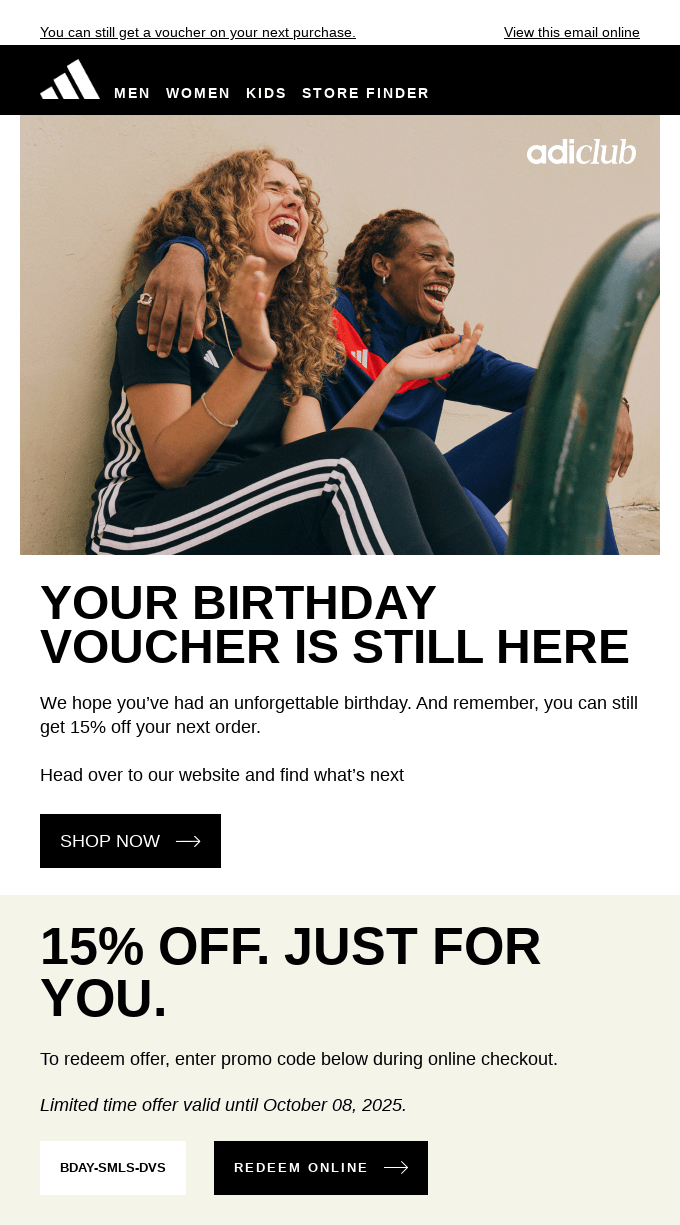
Go beyond using someone’s first name. Personalize your emails by using data like past purchases, browsing behavior, or engagement history to shape what you send. When your emails feel relevant, people are more likely to open, click, and convert.
Did you know?
While 78% of consumers think brands personalize their marketing, only 23% find it truly relevant. And at the same time, 83% of marketers know their campaigns aren’t personalized enough.
So, the opportunity? Huge. Most brands are still missing the mark on meaningful personalization.
How to automate your campaigns
Platforms likeDotdigital make automation simple. You can set up journeys that trigger emails based on behavior like a welcome series for new subscribers or a reminder for customers who abandon their cart.
Automation also helps with timing. Instead of sending the same campaign to everyone at once, you can deliver messages when they’re most relevant, based on actions, engagement, or where someone is in their customer journey.
It can also help you manage send frequency. By mapping out automated journeys, you reduce the risk of overwhelming subscribers with too many emails while still keeping your brand top of mind.
Step 5. Measuring the effectiveness of your email campaigns
One of the most important aspects of any email marketing campaign is to track, measure and analyze the results. This will allow you to understand how your campaign is performing and to make any necessary adjustments for better results in the future.
Start with key email marketing metrics like:
- Open rate: How many people opened your email
- Click-through rate(CTR): How many people clicked a link
- Conversions: How many completed your desired action (like a purchase or signup)
If something isn’t performing, use those insights to adjust. Maybe your subject lines need more punch, or your calls-to-action could be clearer. Small tweaks can have a big impact over time.
5 best email marketing campaigns
Looking for inspiration? Here are a few examples of strong email campaigns:
- Welcome series: Makes a great first impression with new subscribers
- Loyalty reward emails: Surprise and delight customers with exclusive offers
- Seasonal campaigns: Timely promotions that tap into key shopping moments
- Reactivation emails: Re-engage subscribers who haven’t opened in a while
- Educational series: Share tips or insights that position your brand as a trusted expert
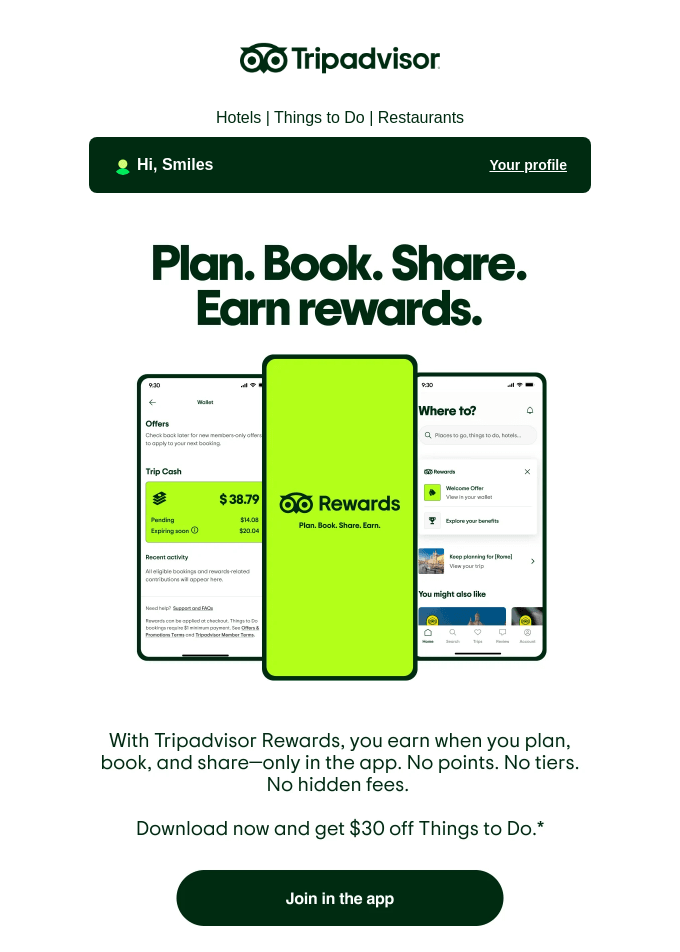
Each of these email campaigns focuses on adding value for the reader, which is the secret to long-term success.
Start creating successful email marketing campaigns
When you define clear goals, understand your audience, and use smart tools like automation and segmentation, you’ll see stronger engagement and better results.
Email marketing is a lot more than simply sending messages, it’s about building meaningful relationships that grow your business over time.