


Some emails get opened straight away; others sit there until it’s too late for them to matter. Your customers’ inboxes look much the same, and that’s where SMS can help, if you use it in the right places.
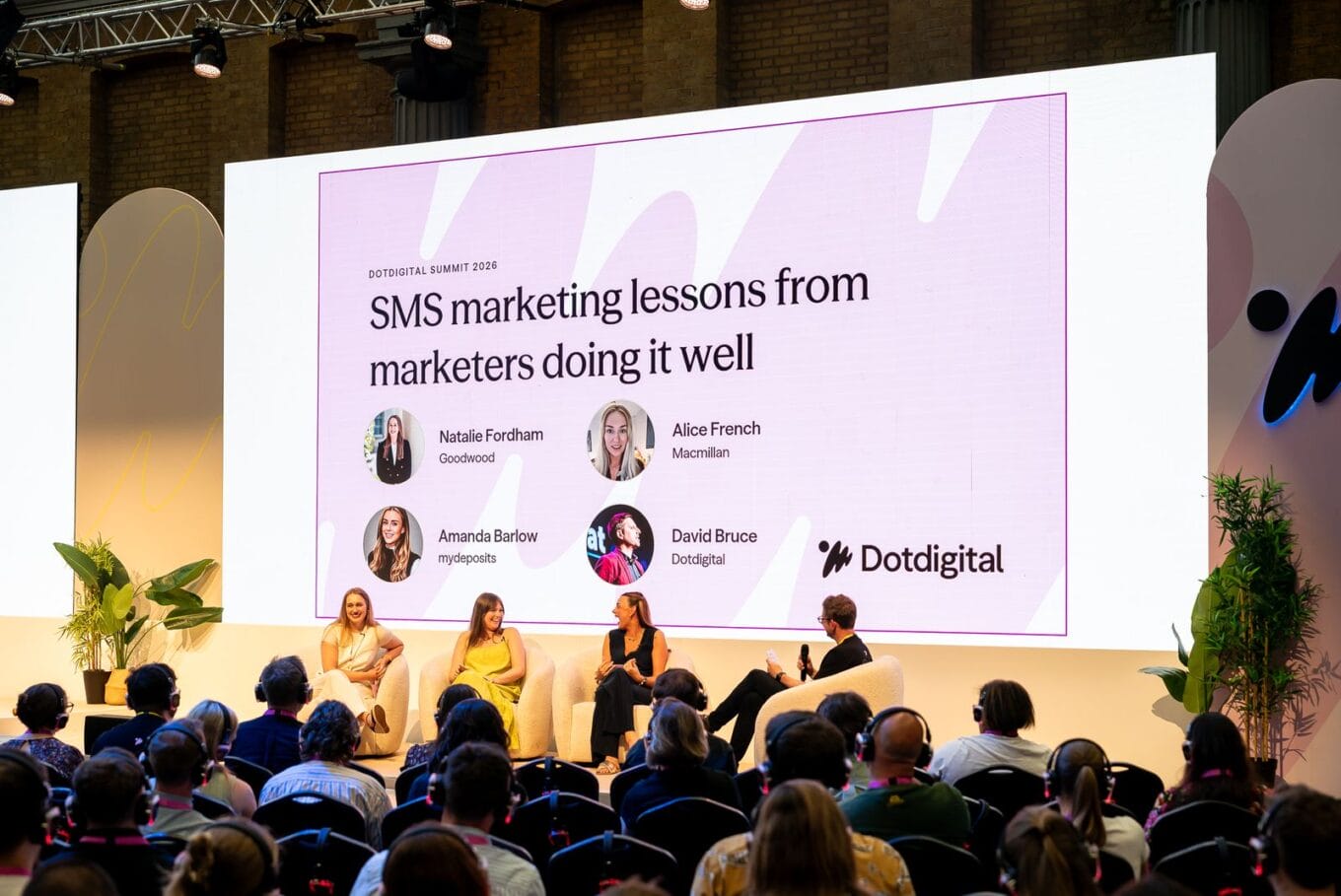
At the Dotdigital Summit, three marketers shared what happened when they brought SMS in alongside email.
- Amanda Barlow from mydeposits needed to reach members about a new platform launch, including those email couldn’t reach
- Alice French from Macmillan Cancer Support wanted to fix messages that weren’t landing in a fundraising event journey
- Natalie Fordham from Goodwood was trying to sell more tickets for a race day that was losing ground to summer festivals
Each brand came to SMS from a different starting point. Whether you’re sending your first text or trying to get more from a program you already run, here’s what you can learn from them.
1. Use SMS where email isn’t getting through
All three brands kept email at the center of their marketing. What they did differently was spot the moments where email wasn’t doing the job, and test SMS there.
Look for gaps in a strong email journey
Macmillan’s email journey for Mighty Hikes, one of its fundraising events, was performing well. Some messages hit a 74% open rate.
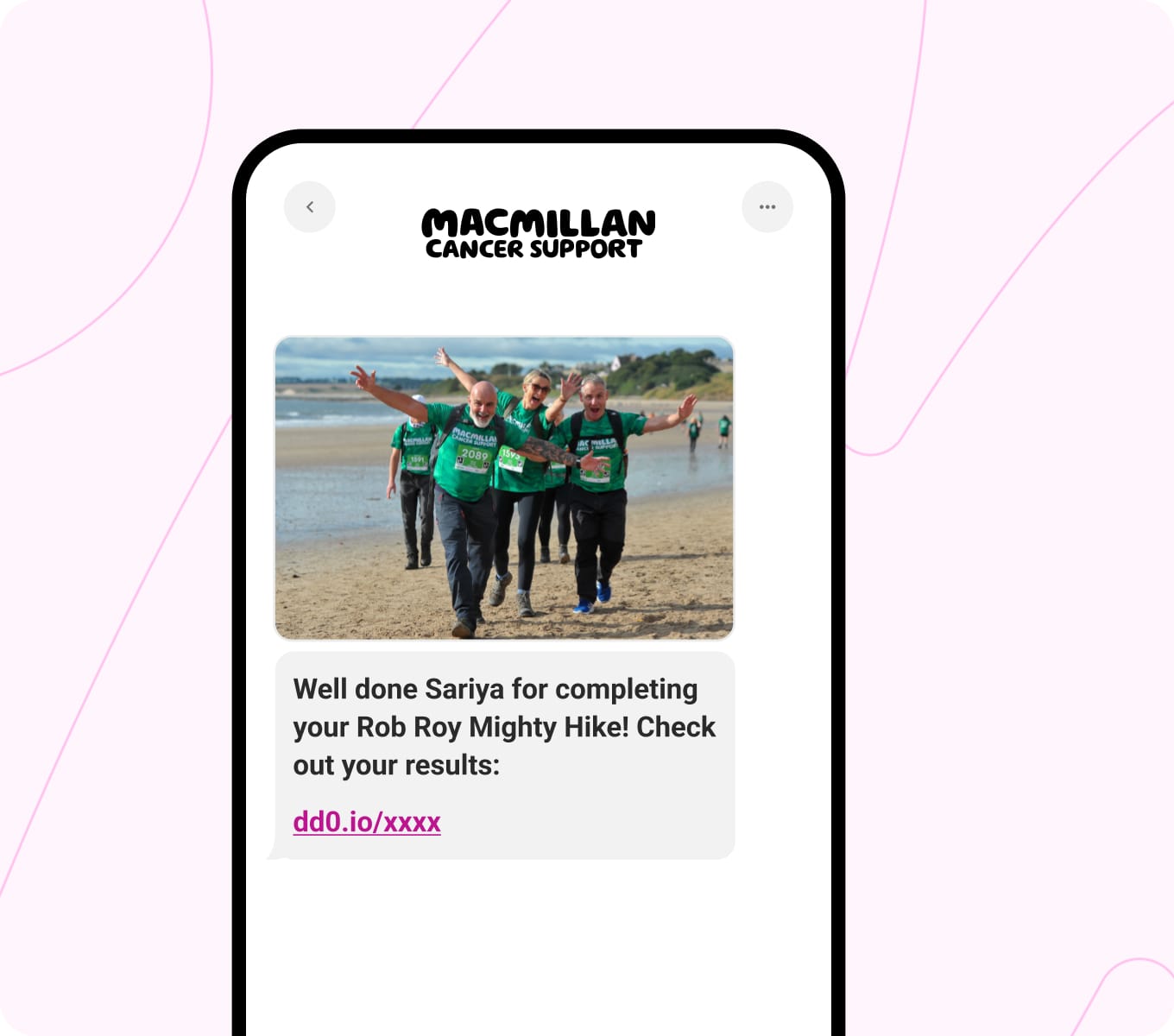
So when the “good luck” message before the event and the “well done” message after it weren’t landing, the team knew the problem wasn’t the emails themselves.
“Nothing we did was bringing better engagement to those,” Alice says.
The problem was timing. Those messages arrived while fundraisers were busy getting ready or taking part in the event, so checking their inbox was the last thing on their mind.
“People weren’t seeing the emails in their inbox,” Alice explains. “SMS is more direct, at exactly the moment they’re busy getting ready.”
The team moved those two messages to SMS, and engagement picked up straight away. Over the following year, they averaged a 53% click-to-delivery rate, meaning more than half of the people who received a text clicked the link in it.
Reach people email can’t
When mydeposits launched a new platform, the team had a full email journey ready to go. But some members weren’t reachable by email at all. Some had opted out, but had still given their consent for SMS when they signed up.
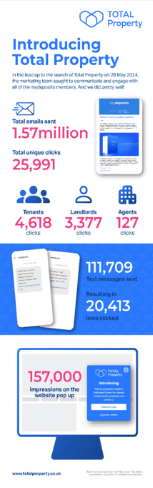
So the team spread the texts out across the email journey, making sure those members still heard about the launch at each key stage.
“SMS gave us another way to reach those members, staggered throughout the email journey,” Amanda says. “It became our highest-traffic source to the website during that campaign.”
Test SMS when a campaign stalls
Goodwood had a smaller race day that usually drew a strong family crowd. But it had started losing ground to competing summer festivals, and email and social weren’t moving ticket sales.
“We had nothing to lose, so we tested SMS properly instead of assuming email would carry it,” Natalie says.
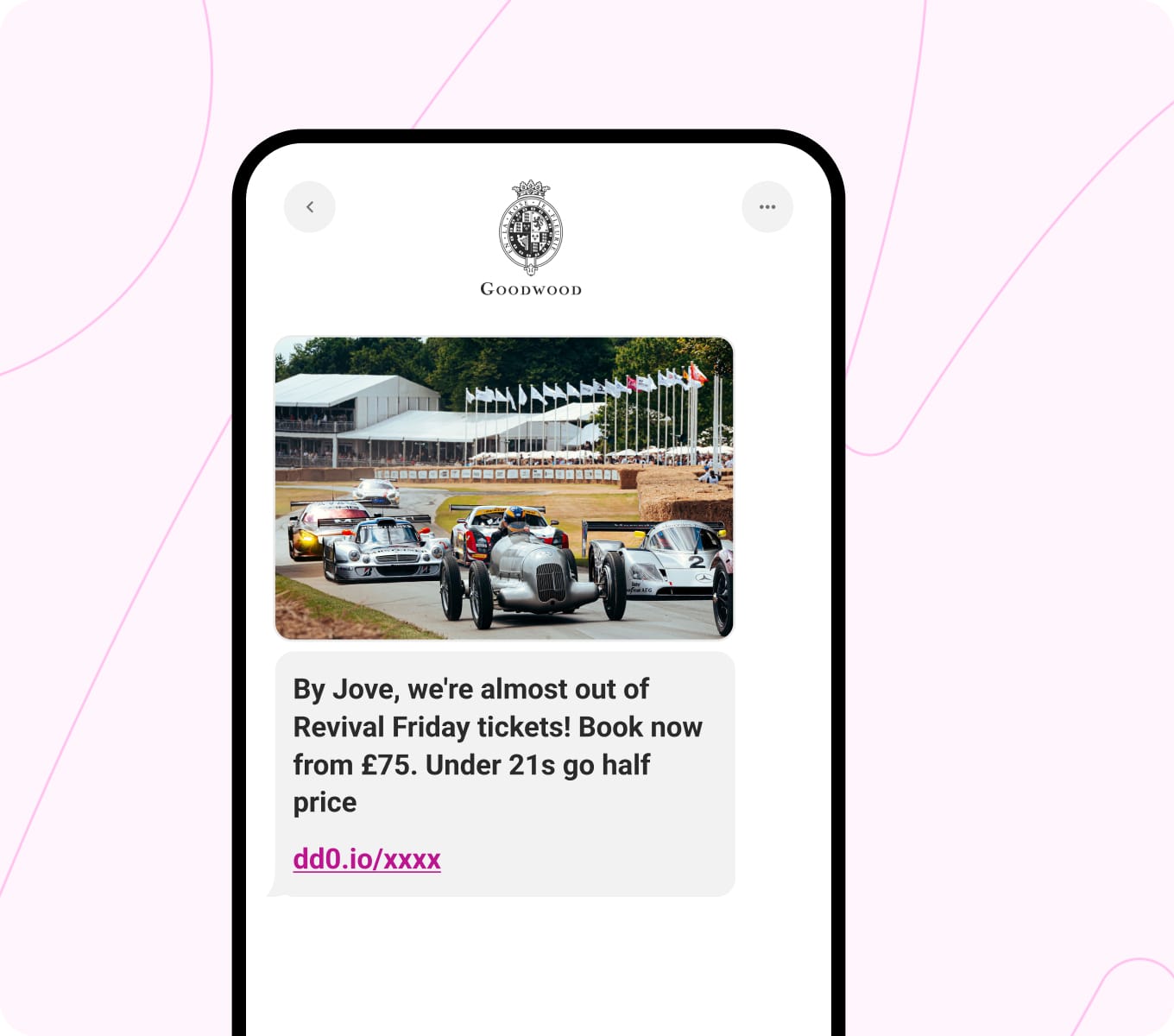
The team tested four versions of the copy to see what worked. Once they knew which message landed best, they sent it to the rest of their audience. By the next day, ticket sales had doubled.
“The impact was almost immediate, and honestly a bit shocking.”
The takeaway for marketers:
Start by looking for gaps in your email journeys. These might be messages with much lower engagement than the rest, time-sensitive moments when people are busy, or audiences you can’t reach by email. Pick one and test SMS there first.
2. Build your SMS list from what you already have
If you’re starting SMS from scratch, building a list can feel like the biggest hurdle.
But all three panelists had the same advice: you don’t need a separate plan to grow it. Instead, ask for mobile numbers and SMS consent where you already collect customer details, like sign-up forms and event registrations.
Ask for numbers when people expect to hear from you
mydeposits already asked for SMS consent as part of its standard membership sign-up. Macmillan added a mobile number field to the sign-up form for one of its fundraising events.
In both cases, people were signing up for something they already expected to receive updates on. That made asking for a mobile number feel natural rather than pushy.
Be clear about why you’re asking, too. All three panelists agreed that telling people what they’ll get in exchange for sharing their number works far better than a vague opt-in buried in a form.
Check you can use the numbers you already have
Like many businesses, Goodwood had been collecting phone numbers for practical reasons. But under regulations like GDPR, UK GDPR, and PECR, holding a number isn’t the same as having permission to market to it, and the team didn’t have the right consent basis in place.
After reviewing how and why it collected the data, the team moved to a legitimate interest basis. That meant linking each number to a specific, justifiable reason for contacting that person, instead of relying on broad, blanket permission. With that in place, Goodwood could finally use a database it already had sitting unused.
If you’ve got phone numbers you’ve never texted, check with your data protection team before you send anything. Ask how those numbers were collected and what people agreed to at the time. You might have more to work with than you think.
The takeaway for marketers:
Start with the forms you already have, and ask for mobile numbers where people expect to hear from you. Tell them what they’ll get, and check that you can use any numbers you already hold.
3. Keep every message short and clear
With SMS, you don’t have a subject line, images, or much space to work with. All three panelists agreed that every word needs to do a job.
Answer three questions in every text
mydeposits found this out the hard way. The team’s early drafts were so long they ran to three texts. So they cut back until each message answered three questions straight away:
- Why am I receiving this?
- Why does it matter?
- What do you want me to do?
Two other things helped. A sender name meant members recognized it and knew straight away who the text was from. And segmenting the audience meant people only received relevant messages.
Test your copy on someone with no context
At Goodwood, Natalie’s team sends test messages to someone outside the marketing team. If the text makes sense to them, it’ll make sense to customers. It’s a quick way to spot any words or phrases that only make sense to your team.
The takeaway for marketers:
Before you send, check your text answers those three questions. Then show it to someone outside the project.
4. Test your send times instead of guessing
When it came to timing, what the panelists expected and what worked were two different things.
Earlier can make all the difference
Macmillan tested two send times for a coffee morning fundraiser, splitting the audience between 9am and 11am. People were more likely to engage with the 9am text. By 11am, the moment had already passed.
Don’t rule out the times you’d avoid
Goodwood assumed daytime would work best for price-change alerts, but tested evenings just in case. It turned out evenings did much better.
“We assumed nobody wants a text while they’re watching TV at home,” Natalie says. “Turns out that’s exactly when it works best.”
The takeaway for marketers:
Split-test your send times. Do this for each message type, since what works for a fundraising reminder may not work for a price alert.
5. Use SMS for more than selling
Some of the biggest wins from the panel weren’t sales campaigns at all.
Collect more feedback
A single Goodwood Festival weekend can draw up to 120,000 people, and customer feedback shapes how the team improves each event. But its post-event surveys had a 10% completion rate by email.
Switching to SMS took that to 25%, giving the team two and a half times more feedback to plan the next event with.
Take pressure off your support team
Once Macmillan started using SMS in its Mighty Hikes journey, fewer people called the support team asking about event packs. And when photo packs arrived by text instead of email, more people shared them on social, giving the event extra reach.
Send updates people want to get
mydeposits kept its texts focused on useful information, like service updates, time-sensitive messages, and key milestones, rather than generic sales messages.
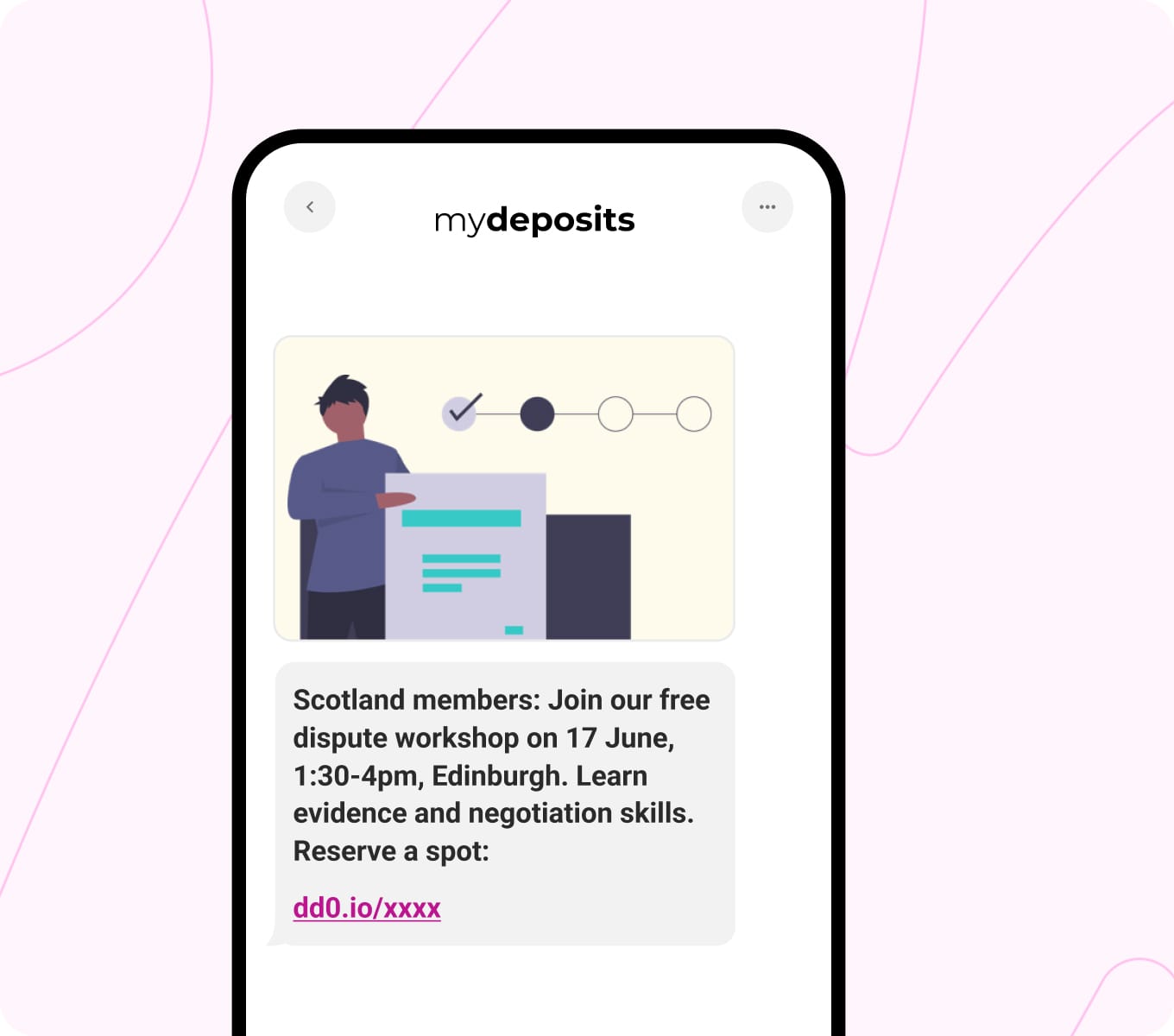
It paid off because after the platform launched, customer service took calls from members thanking the team for a new way to stay informed.
The takeaway for marketers:
SMS can do a lot more than promotions. Surveys, service updates, and practical event information are all natural fits and can ease the load on other teams, too.
6. Let the results make the case internally
When email’s already doing a good job, asking for budget for another channel can be a tough sell. But having results to show makes that conversation easier.
Start with a controlled test
At Macmillan, the biggest skeptic was Alice herself. “It was me that needed convincing,” she says.
As the charity’s Email Marketing Manager, she wasn’t sure about taking budget away from a channel that was already working. So the team put it to the test.
They focused on people who’d started signing up for a fundraising event but still hadn’t finished a week later, and split them into two groups:
- Half got a nudge by email
- Half got the same nudge by text
The email got a 7% click-through rate, and the text got 45%. That was all the convincing Alice needed.
Make sure you can measure it
Macmillan had no real way of tracking how its texts performed.
“Before, we just sent it out into the world and hoped. Being able to measure the impact properly is essential,” Alice says.
Macmillan moved its SMS from a separate platform to Dotdigital, giving the team tracking it had never had before and saving 22% on SMS costs.
Tie SMS to something the business cares about
mydeposits didn’t pitch SMS as a new channel to try. Instead, the team used it to support a platform launch that members needed to know about, and that the business already cared about.
That meant when SMS delivered, everyone noticed:
- It drove 53% of the campaign’s website traffic, with an 18% click-through rate
- The wider campaign also led to more than 50 business development meetings
“It stopped being a question of‘does this work?” Amanda says.“We had buy-in from the whole business.”
Share your wins with other teams
At Goodwood, one test changed how the business saw SMS. When a text doubled ticket sales for a struggling race day, other teams started paying attention, including ones that had never had an SMS budget.
“Now every budget season, they come to us asking what their SMS budget should be,” Natalie says. “They’re bought in because they’ve seen it work.”
The takeaway for marketers:
- Before you run your first test, check that you can see what happens after someone gets your text, like clicks, sign-ups, or sales
- If you’re trying to get SMS off the ground, look for a campaign your business already sees as a priority, and use SMS to help it succeed
- Once you’ve got a result you’re proud of, don’t keep it within the marketing team. Share it with the teams who could benefit from SMS next
What makes SMS marketing work
The three brands had very different audiences, goals, and starting points, but the same thing came through in all three stories: SMS works best when you choose your moments carefully. A well-timed text, sent to the right people with a clear message, did jobs email couldn’t.
- mydeposits showed how SMS can reach people email can’t, and how linking it to a business priority gets everyone on board
- Macmillan showed that even a strong email journey has moments SMS can handle better, and that one simple test can win over a skeptic
- Goodwood showed the value of testing properly, and that SMS can be just as useful for collecting feedback as it is for selling tickets
You don’t need a big budget or a brand-new strategy to get started. Find one message that isn’t landing, test SMS there, and let the results guide your next step.
And sometimes, as Macmillan found, the person who needs the most convincing is you.
