



Five takeaways from MarTech Retreat 2026
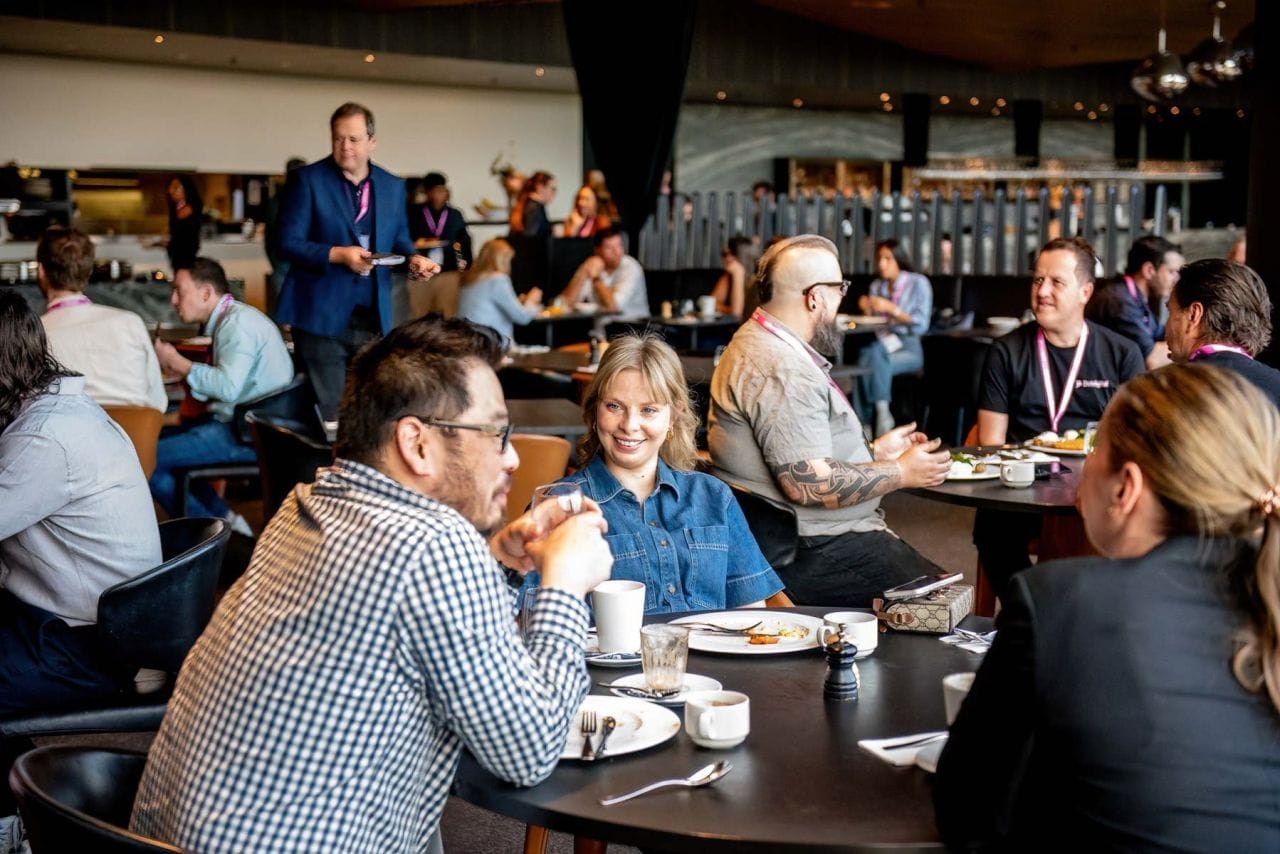
Last week, more than 80 of Victoria’s senior marketing, digital, and martech leaders spent two days at the 2026 MarTech Retreat, talking AI, customer experience, and decisioning. If you saw a lot of pink, that was us. Dotdigital sponsored the lanyards this year, so everyone wore one.
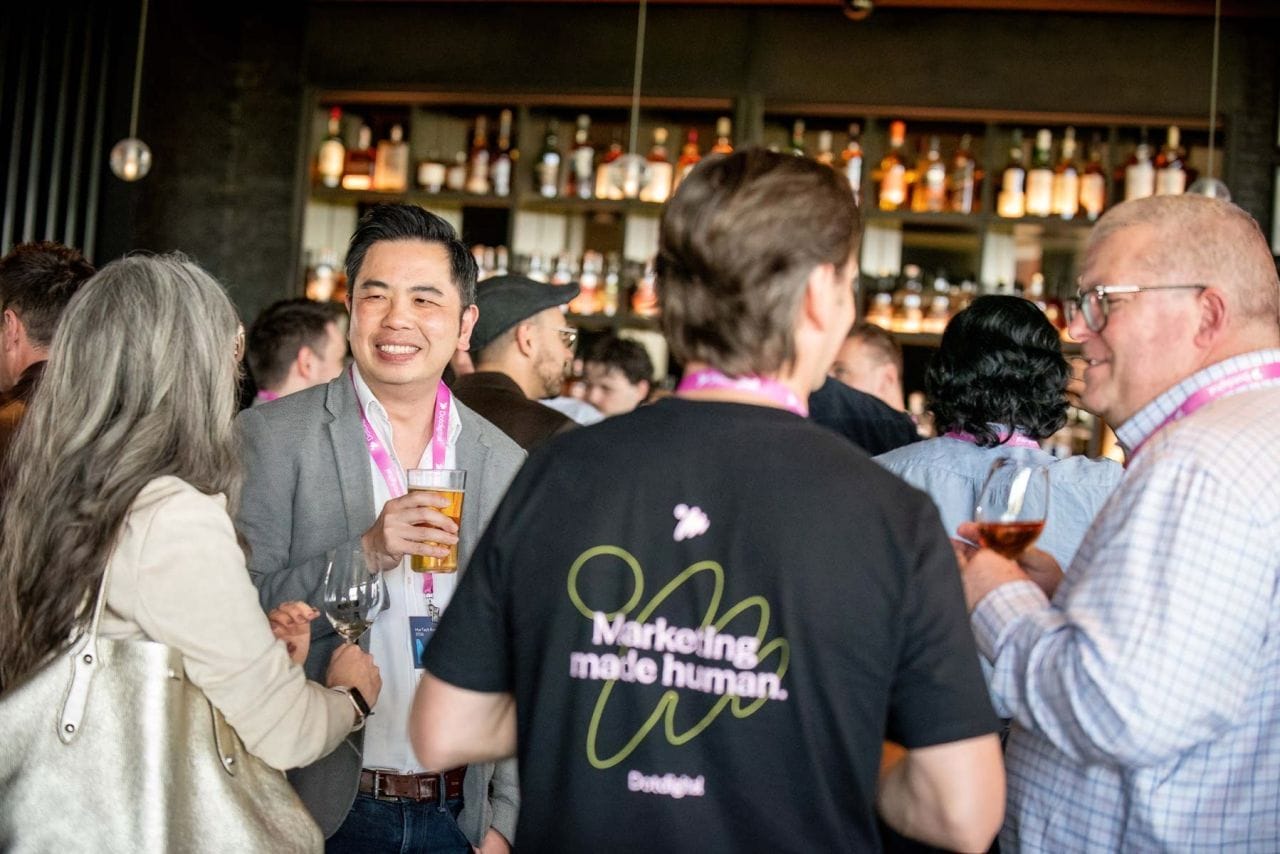
If you couldn’t make it, here’s a round-up of what came up on stage and in the hallways. For all the buzz about AI, agents and automation, the biggest theme wasn’t technology; it was people. Speaker after speaker made the same point: how your teams are set up around the stack decides what the stack can deliver.
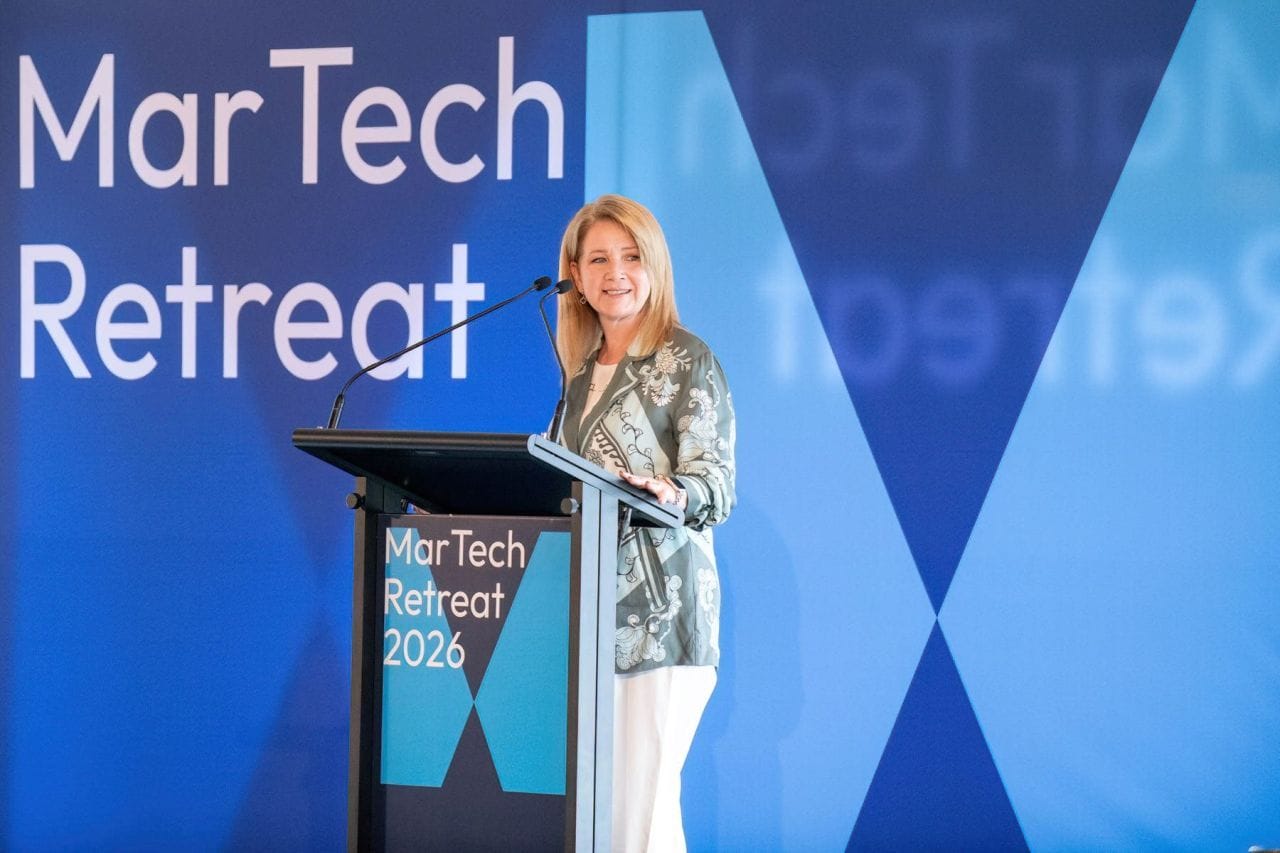
Amanda Green, General Manager of Digital and Innovation at Treasury Wine Estates, got us going with “floordrobe”, one of the newest dictionary additions. It’s the pile of clothes on the floor that never makes it into the wardrobe.
Plenty of martech stacks look the same, she said. Tools get added over time, but when they’re not thought of as a complete, connected stack, they end up scattered in a pile on the floor, not hanging neatly in the wardrobe.
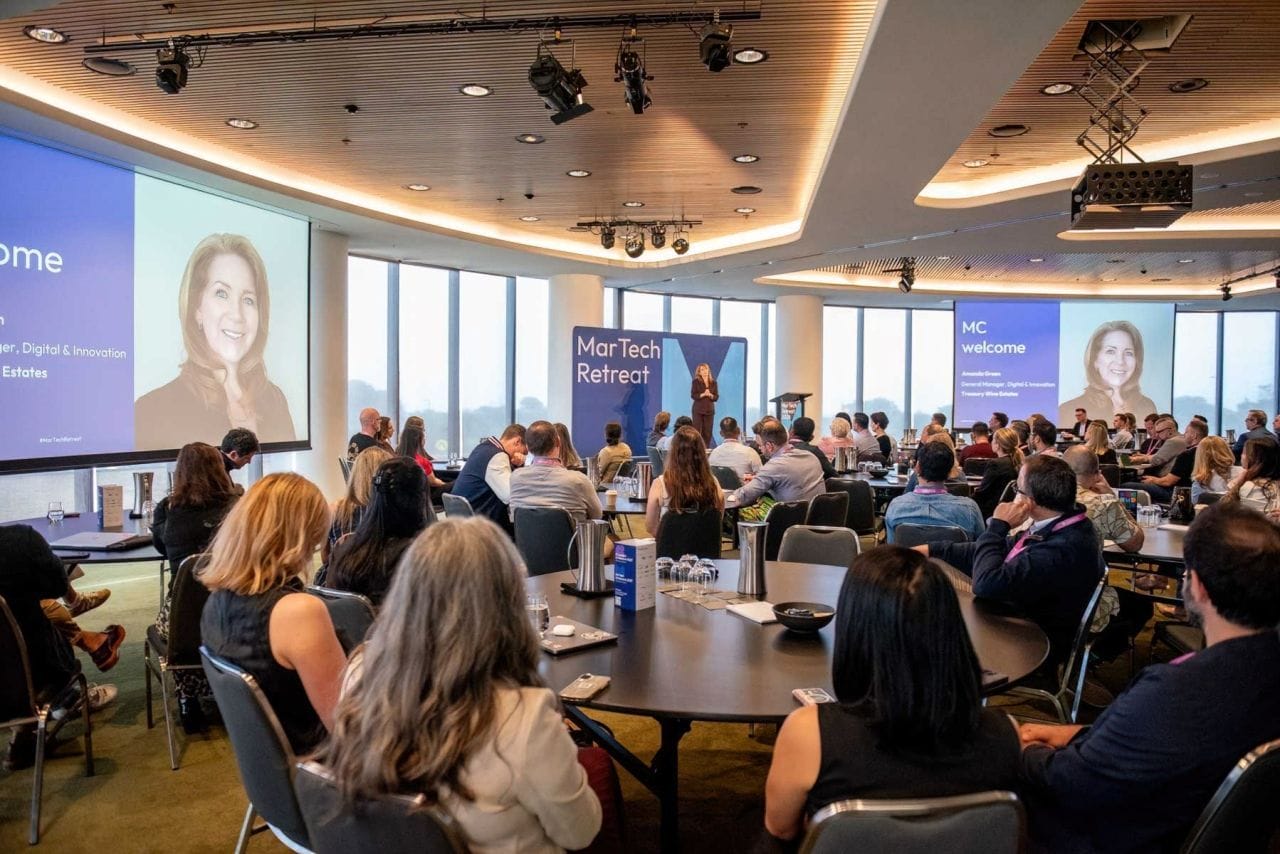
Then she turned to context. AI has removed a lot of barriers to getting things done, but without the right customer, business, and operational context, it mostly helps you make the wrong decisions faster.
Speakers from Hilton, REA Group, 7-Eleven, Chemist Warehouse, Bupa and ANZ all kept circling back to it. Here are the five takeaways I’m bringing back to the office.
1. Sort out the team before the tool
Danelle Williams, Vice President of Marketing Technology and Enablement at Hilton, started with a confession. Five years ago, she built the strategy, won a multi-year budget, and launched a new customer data platform and engagement platform. But the people who had to use them weren’t ready, because nobody had shown them what it meant for their day jobs.
Things moved once CRM, martech, and outbound execution were working toward one shared outcome.
- A new WhatsApp channel in India, built from a small customer base, now reaches more than 1 million customers.
- A four-week Arabic-language Ramadan journey, with versions for two audience groups, brought in millions of dollars in incremental revenue, and the more personal version beat target by more than double
- AI agents built with the content team, not for them, cut image processing from two minutes to 20 seconds (83% faster) and ticket turnaround by 86%
Giuliana Dumble from Bupa explained it with netball. Nobody runs the ball end to end. Everyone has a position, and the customer is the ball. Bupa members who took up a free flu shot at its medical centers churned far less, and members who use its health services score a +63 Net Promoter Score (NPS).
Before you buy another tool, check that marketing, product, CRM, and data are all measured on the same customer outcome.
2. Give AI context to work with
Rahul Ashiya, Head of Data Product at Nine, pointed out that AI tools make each team faster, but six fast teams can still send one customer six push notifications at once.
Nine’s fix is one shared layer across eight brands, built around consumer, content, calendar, compass (north-star metrics, not opens), and constraints. His line has stuck with me: “Every notification is a decision. Make sure it’s yours.”
REA Group builds its data as reusable blocks and asks “what are all the use cases?” before saying yes to a request. That slowed the team down at first. Now, it speeds them up, with some campaigns shipping in hours. Owned-channel visits are up tenfold, and a B2B campaign featuring agents’ specific unboosted listings drove a 250% uplift over generic awareness messaging. Lifecycle channels now deliver around half of Ignite’s monthly active users on REA’s agent platform.
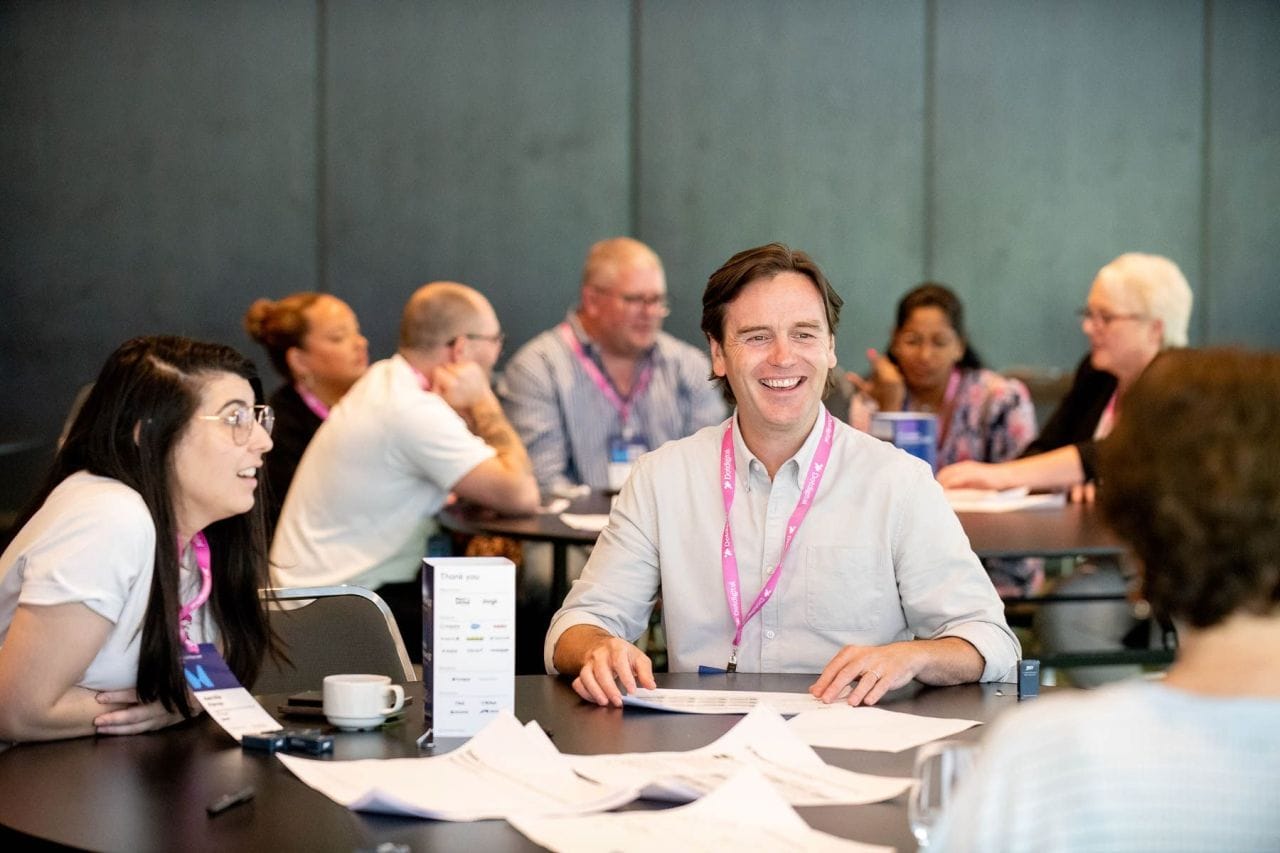
In one think tank, we were asked whether we’d let an AI agent go live on its own. Most tables said not yet, mainly because legal and compliance still move at human speed.
3. Sometimes the best move is nothing
My favorite line of the event came from Paul Wallace, Digital Technology Area Lead (General Manager), 7-Eleven Australia, and Sheena Saigal, Head of Technology-Adtech, Martech, Loyalty, Marketing Ops, Coles Group: a high-propensity action isn’t always a high-value one. Sheena buys A2 milk every week, so offering her a discount on it is just giving away margin. She may need nothing from you at all.
7-Eleven plans around nine customer missions a day, and its loyalty emails change depending on when you open them. Build your suppression rules and frequency caps with the same care as your campaigns.

4. Market to the customer and the agent
Discovery is shifting into AI answer engines. Jon Holcombe from Horizontal Digital said brand now closes the sale instead of opening it, because you get 10 to 15 seconds of first impression once an AI-researched visitor lands. One bank on his panel found this out the hard way when its security team blocked AI crawlers and the site was undiscoverable for a weekend.
Chemist Warehouse’s trade sales and retail media teams share a single site, using a common engagement-rate metric, a shared trade calendar, and reusable content modules. The result was 10% more traffic and 14x faster deployment cycles. Juliet Jenkinson, Head of Digital Marketing at Chemist Warehouse, added that visitors arriving from LLMs come in lower volume, with higher intent and conversion.
Try asking an LLM to summarize your own product pages. If the answer’s messy, your product data, page structure, and schema markup are the place to start.
5. Keep your judgment sharp
Jennifer Lister, Head of Lifecycle Marketing and Automation at Cbus Super, closed the retreat. Her talk echoes a live poll from earlier in the event, where 62% of the room named emotional intelligence as the leadership quality that matters most. When she interviewed candidates and asked them to diagnose a customer problem, most said they’d put it into AI. Few could explain how it reached its answer.
So her team keeps human thinking in the loop. They still map customer journeys on paper, interview candidates using deliberately flawed AI output, and pair early-career marketers with 20-year practitioners.
A note for small teams
The retreat leaned enterprise, with stories from organizations running 9,500 hotels or eight media brands. If your lifecycle team is three people, a centralized “big brain” can feel a long way off.
But most of this still applies. Shared outcomes cost nothing, and Hilton’s turning point was a conversation, not a complete reorganization of the company. Clean data and a few suppression rules don’t need an enterprise budget, and neither does picking one broken customer journey and fixing it. A midmarket case study or two on next year’s agenda would be welcome.
The one thing to remember
AI may change how the work gets done, but the basics haven’t moved. When your people, processes, and data pull in the same direction, the stack you already have goes a lot further.
Thanks to every speaker and the Ashton Media team for two sharp, generous days.
