



Over 90 days, I opted in to the marketing emails of 100 brands across seven countries. I browsed their websites, created accounts, clicked every button, added to every cart, and read 1,879 emails (an average of 18.79 per brand). It takes one content marketer going a little bit crazy to produce Hitting The Mark, Dotdigital’s annual analysis of 100 brands’ campaigns.
This year’s report is my fifth edition, so I’m sharing the five things I look for that make a brand’s marketing memorable, along with quick wins you can apply today. The full Hitting The Mark report, landing in November, goes further by sharing campaign inspiration and insights into where the biggest opportunities lie in the inbox.
1. Sell the subscription first
The sign-up form is the first real action you’re asking a potential customer to take, so it has to pitch your emails as something worth subscribing to. Until they’ve received your emails, what you offer in return for their email address is all they have to make their decision.
- Decide your incentive: A discount suits brands with the margins to absorb it. If yours doesn’t, offer something your subscribers want that costs you little, such as early access to sales or free guides that help them choose. Knowing how much an email address is worth to your business will help you see what works best.
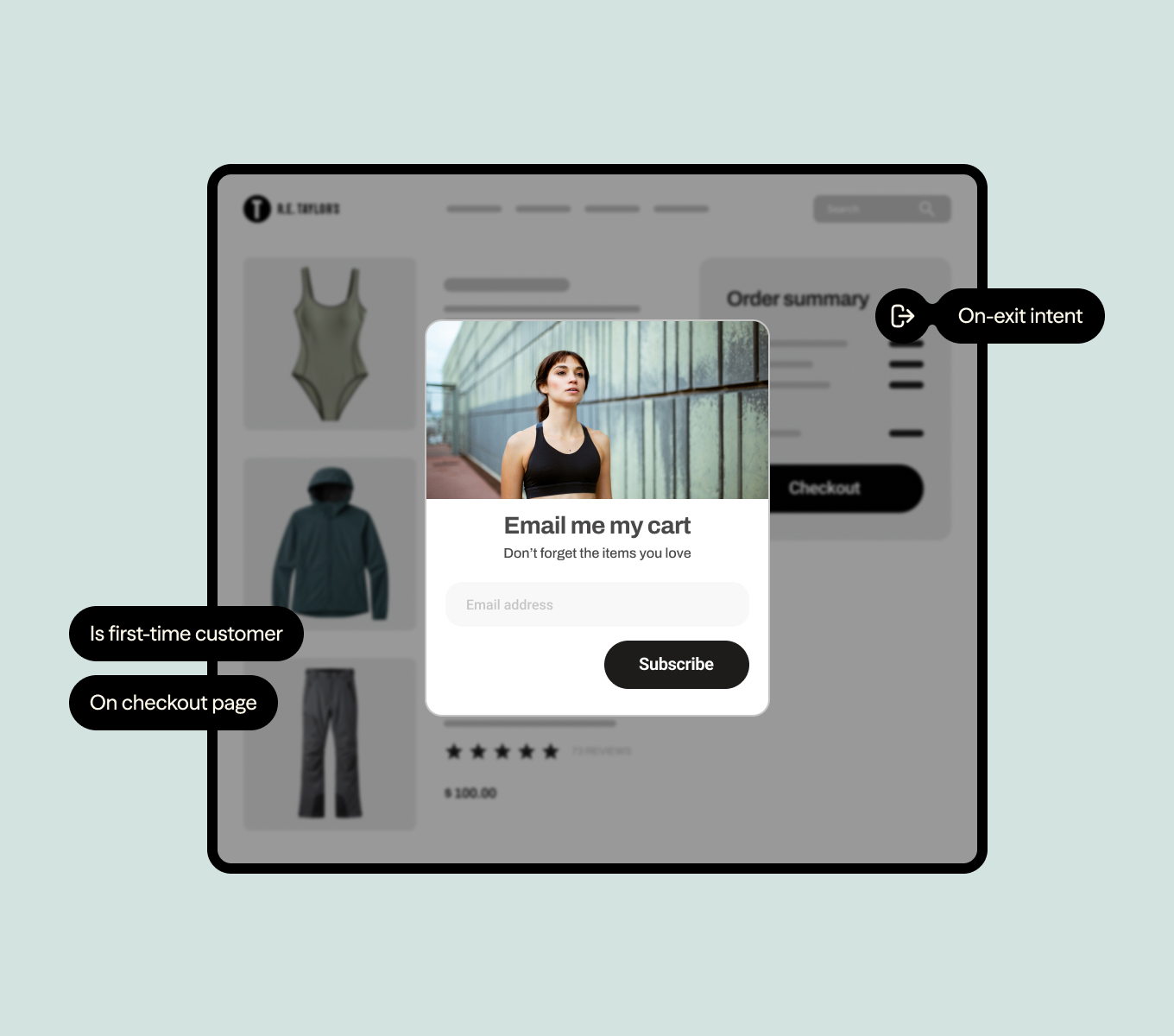
- Be clear in your messaging: “Sign up for 15% off” is enticing, but “Sign up for weekly product drops, early access to sales, and 15% off your first order” also tells customers what staying subscribed will get them. Undecided shoppers are comparing brands, and a promise beyond the first order gives them a reason to pick yours.
- Use your loyalty program if you have one: Framing sign-up as joining the program adds ongoing value that a one-time discount can’t match. “Become a Perks Family member to get birthday treats, earn Perk Points, and unlock exclusive gifts” tells people what they receive now and what they’re working towards.
Whatever you promise at sign-up becomes the brief for your welcome series and every campaign after it, so each part of that promise needs to be delivered.
2. Be recognizable before the subject line gets a chance
Most marketers focus on what happens after the subscriber opens an email: what the copy says and how the CTAs inspire action. But the decision to open is made earlier, as the reader scans a crowded inbox. Even before they read a subject line, subscribers check who’s sending the email and whether they want to hear from that brand. If they don’t recognize the sender, all that other work goes unseen.
- Keep ‘friendly from’ names clear and consistent: Readers recognize a sender by name, so keep it the same across your campaigns and flows. Changing it too frequently makes a familiar brand feel like a stranger. If separate teams or parts of your business email the same customers, give each a distinct name that says who’s writing and why. In this year’s Hitting The Mark research, Silverstone (home of the British Grand Prix) did this by using separate ‘friendly from’ names for its main emails, the Silverstone Museum, and its Escapade Hotel and Restaurant.
- Put your logo in the inbox: BIMI (Brand Indicators for Message Identification) displays your logo beside your ‘friendly from’ name and subject line, so readers recognize you before they read a word. Plus, research found that BIMI can increase open rates by 39%, a sign that being visually identifiable pays off. For more information on setting up your BIMI, check out our complete getting-started guide.
3. Use the welcome series to learn something and tell a story
The welcome program is, once again, the most widely adopted automation flow in this year’s Hitting The Mark, so simply having one no longer sets you apart. A program that stops after a single “You’re In” message misses the chance to build stronger relationships that lay the groundwork for long-term loyalty.
- Build multi-step flows: You can showcase your brand and get to know your customers in a single welcome message, but it can make for a long email where every ask competes for attention. Creating a welcome series gives each email in the flow one job, and each ask gets the subscriber’s full attention.
- Deliver the incentive in the first email: The subscriber signed up for it minutes ago, so put your discount code or incentive at the top, and repeat it throughout the series. Better still, apply it to their account automatically, so there’s no copying and pasting required.
- Ask for data early and use the answers. In the first emails, invite subscribers to choose what they want to hear about, putting control in their hands: “Personalize your experience.” Then give them a range of topics or products to explore, because what they click shows you interests they might not have told you. Whatever you collect needs to show up in the next email, or subscribers will wonder why you asked and what you’re doing with their data.
4. Follow up on abandoned carts with the reason in mind
Abandoned carts were another widely adopted flow in this year’s Hitting The Mark research, but many stayed within the bounds of “Here’s what you left in your cart.” While it’s useful for a distracted shopper, the reminder alone doesn’t provide a reason for all shoppers to return and complete their purchase.
- Time your follow-ups: Send the first email within an hour of abandonment, then follow up with messages at 24 and 72 hours to give uncertain shoppers time to decide. The first email reminds them; the later ones are where you remove obstacles stopping the purchase.
- Address blockers: Shipping costs and return policies are common reasons shoppers leave items in their carts. Put both in a cart recovery email, along with an easy way to reach customer service, like WhatsApp, so shoppers with questions can get quick answers.

- Feature independent reviews: Independent reviews answer doubts more credibly than your own copy, because shoppers know you didn’t write them. Pull in star ratings and reviews from sites like Trustpilot or Judge.me, so shoppers who are hesitating over the product or the brand can see what other customers say.
- Share product recommendations: Sometimes the item in the cart simply wasn’t the right one. Showcasing similar items in product recommendation blocks in your emails gives shoppers a quick way to find their perfect product.
5. Personalize beyond the first name
While Dotdigital’s report, The Secret Lives of Marketers, found that website personalization was the top priority for marketing teams, our research for Hitting The Mark found that brands are still under-personalizing their emails. Customers reported a gap in our Customer Trend Index report: only 15% of consumers said the marketing they receive is relevant to them.
- Put your data to work: Preferences customers share and behaviors such as links clicked and items browsed both show what each customer wants. Use this data to change what people see in the email, not just how you greet them.
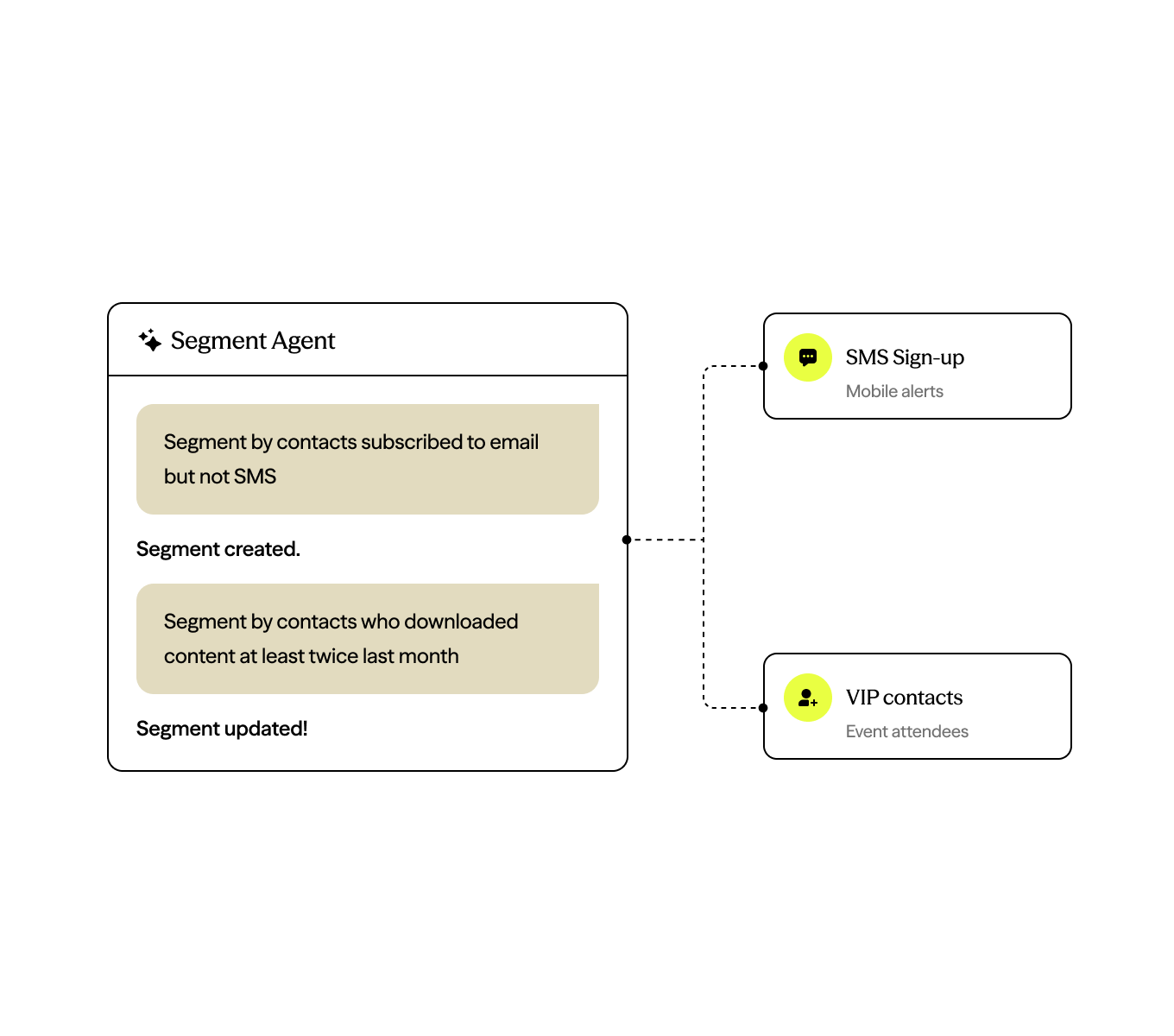
- Build segments around value: Segmenting based on something like location is useful, but a segment of high-spending customers who buy from you every 90 days lets you offer them something different from what you offer a first-time buyer. Segment Agents can build segments like this in seconds, and dynamic content blocks let each customer group see the offer and message that suits them.
- Personalize your coupon codes: A code that reads “OLIVIA20_HBD” instead of “HBD20” feels made for the customer, which is a nice touch, especially for birthday and anniversary offers.
- Let customer actions trigger messages: Set up flows that fire when a customer does something, so the email arrives while their interest is piqued. A shopper who views an out-of-stock item can be emailed when it’s back in stock, even if they never signed up for back-in-stock alerts. A customer who adds an item to their wishlist has told you what they want, so tell them when the price drops. These messages don’t rely on guesswork because they’re responding to an action the customer has taken.
Make every email count
Great email marketing gives customers a reason to subscribe, recognize your brand, and keep opening long after the welcome offer. It responds to what they do, answers the questions holding them back, and makes every message feel relevant to them.
These are the details I look for when scoring 100 brands, and they’re the same details you can finesse in your campaigns today. For more inspiration, practical examples, and insights from this year’s research, look out for the next Hitting The Mark report, landing in November.
